Are you a disaster survivor looking for help? Click here
This Week in Disasters
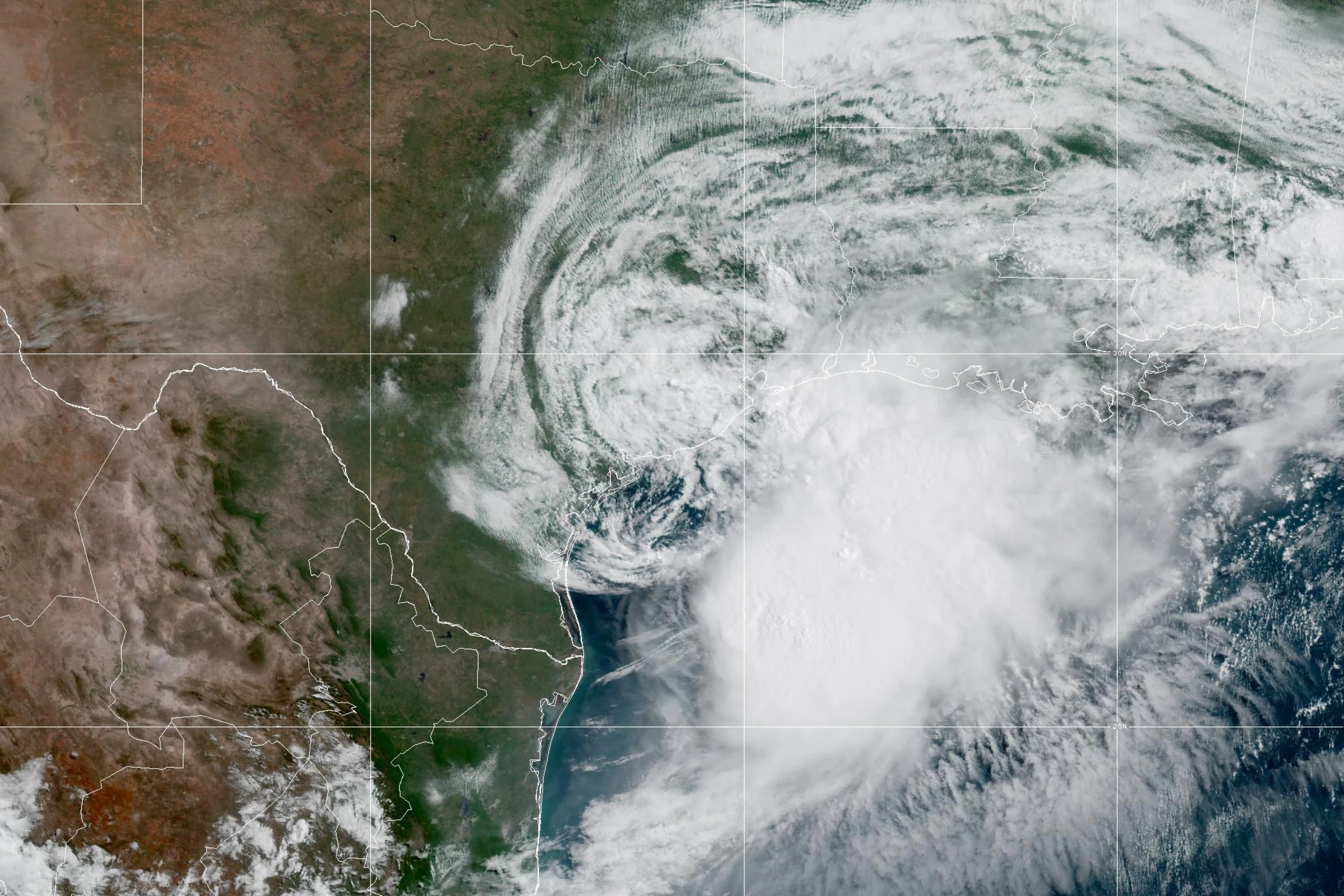
Tropical Storm Arthur. Source: NOAA
Plus: Pete Gaynor's opening remarks for Cameron Hamilton
Welcome back to This Week in Disasters! This newsletter combines expert perspectives with a weekly roundup of upcoming threats, recent natural disasters, and available survivor assistance. If you’re a Risk, Insurance, Employee Assistance, NGO or Emergency Management professional (or you’re just really curious about disasters in the United States!) you’re in the right place.
Major Disasters of the Last Week
Tropical Storm Arthur, the first named storm of the 2026 Atlantic hurricane season, formed on June 17 and weakened to a post-tropical cyclone the same night, but its worst flooding came days earlier as the system crawled across the Gulf Coast. Arthur triggered more than 180 flooding reports after June 14 and was blamed for at least two deaths. Read more. |
Severe weather led to at least seven reported tornadoes across the Midwest on June 17, with confirmed tornadoes near Harpers Ferry, Iowa, and through Charleston, Illinois, where the city declared a local state of emergency amid downed trees and power lines. A tornado in Effingham County, Illinois, cut a 12-to-15-mile path that caused minor injuries and extensive damage to homes, businesses, and farms. Roughly 55,000 customers lost power statewide. Read more. |
A wind-driven wildfire, the Upriver Fire, pushed into a Spokane neighborhood on June 16, destroying at least 15 homes and forcing about 1,500 people to evacuate. FEMA authorized a Fire Management Assistance Grant and its regional director said the fire could rise to a major disaster. Read more. |
Forecasted Risks for Next Week
Flash flooding remains a threat across the Deep South through the weekend. As the rare High Risk over the central Gulf Coast steps down, forecasters maintain a Moderate Risk of excessive rainfall Friday from the central Gulf Coast into the Southeast, with another 5 to 10 inches of rain possible through early Saturday as Arthur's remnants track east.
Critical fire weather continues across the West and southern Plains. Active large fires with extreme behavior and structures threatened are burning in Utah, Nevada, Idaho, Arizona, and Oklahoma, with elevated danger forecast to persist across California, the Great Basin, and the Rocky Mountains as dry, windy conditions hold.
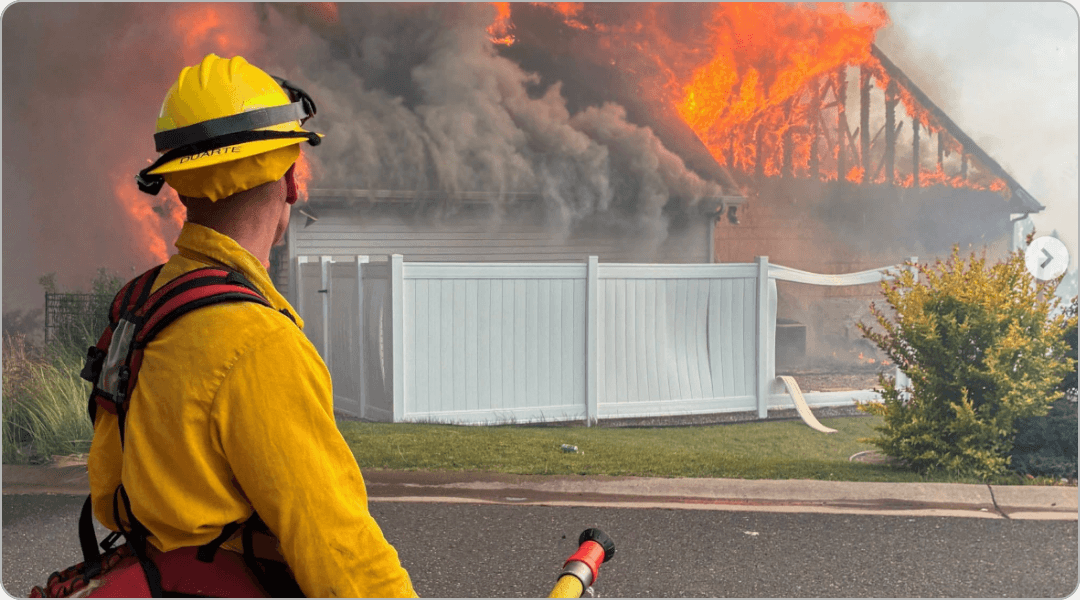
Upriver Fire. Source: Spokane Valley Fire Department
Disasters in the Headlines
How a fired FEMA leader got a second chance from Trump
SBA Announces Agency-Wide Reorganization to Modernize, Drive Operational Efficiency, and Enhance Accountability to Taxpayers
Reimagining Disaster Response in the Age of Chaotic Austerity
PRO PERSPECTIVE
Pete Gaynor's Remarks on FEMA's Nominee
On June 17, Cameron Hamilton, the nominee for FEMA Administrator, testified before the Senate Homeland Security and Governmental Affairs Committee. Former FEMA Administrator Pete Gaynor had prepared remarks introducing him but was not able to deliver them at the hearing, so he shared them in a LinkedIn post. You can read his remarks here.
Smarter Alerts, Safer Communities: Inside the Warning Lexicon

This week, the remnants of Tropical Storm Arthur pushed life-threatening flash flooding across the Gulf Coast, with flood watches reaching millions from Texas to Georgia and more heavy rain forecast through the weekend. When water rises that fast, whether a warning moves someone to act or gets ignored can come down to how the message is written.
That is exactly the problem disaster researcher Dr. Jeannette Sutton has spent years studying: how people interpret alerts, and why so many fail. Her FEMA-funded Warning Lexicon project tackles a simple but costly problem: most emergency alerts are incomplete and confusing.
The Warning Lexicon gives message senders a framework to write faster, clearer, and more actionable alerts. Sutton's research found that more than 90% of Wireless Emergency Alerts lacked critical information, leaving the public uncertain about what to do next.
Sutton's bottom line: effective warnings save lives, but only when they're complete and clear.
Read our full interview here to learn how her team is changing the life-saving messages get written, or explore her work further at www.thewarnroom.com.
Active Federal Declared Disasters and Deadlines
There is usually a 60 day window to apply for help after a disaster is declared. The following disasters are actively taking applications from survivors for financial support. To apply, survivors can visit DisasterAssistance.gov or call the FEMA Helpline at 1-800‑621‑3362.
Commonwealth of the Northern Mariana Islands - Super Typhoon SinlakuSTATUS Major Disaster declared April 23, 2026; IA applications accepted in eligible counties until June 22, 2026. AFFECTED COUNTIES Northern Islands, Rota, Saipan, Tinian |
Crow Tribe of Montana - Severe Winter Storm and Straight-Line WindsSTATUS Major Disaster declared May 29, 2026; IA applications accepted in eligible counties until August 1, 2026 AFFECTED COUNTIES Crow Indian Reservation |
San Carolos Apache Tribe - Severe Storms and FloodingMajor Disaster declared May 29, 2026; IA applications accepted in eligible counties until August 1, 2026 AFFECTED COUNTIES San Carlos Indian Reservation |
North Carolina - Flooding and Storm Damage from Tropical Storm ChantalSTATUS SBA disaster declaration approved July 26, 2025; applications open for residents and businesses in eight NC counties. The deadline to return economic injury applications has been extended to September 30, 2026. APPLY NOW AFFECTED COUNTIES Alamance, Caswell, Chatham, Durham, Granville, Orange, Person, Wake Counties |
Sign up for This Week in Disasters here.