Are you a disaster survivor looking for help? Click here
This Week in Disasters

Babylon Fire. Source: U.S. Forest Service
Plus, A Category 5 Typhoon Hit U.S. Territories Again
Welcome back to This Week in Disasters! This newsletter combines expert perspectives with a weekly roundup of upcoming threats, recent natural disasters, and available survivor assistance. If you’re a Risk, Insurance, Employee Assistance, NGO or Emergency Management professional (or you’re just really curious about disasters in the United States!) you’re in the right place.
Major Disasters of the Last Week
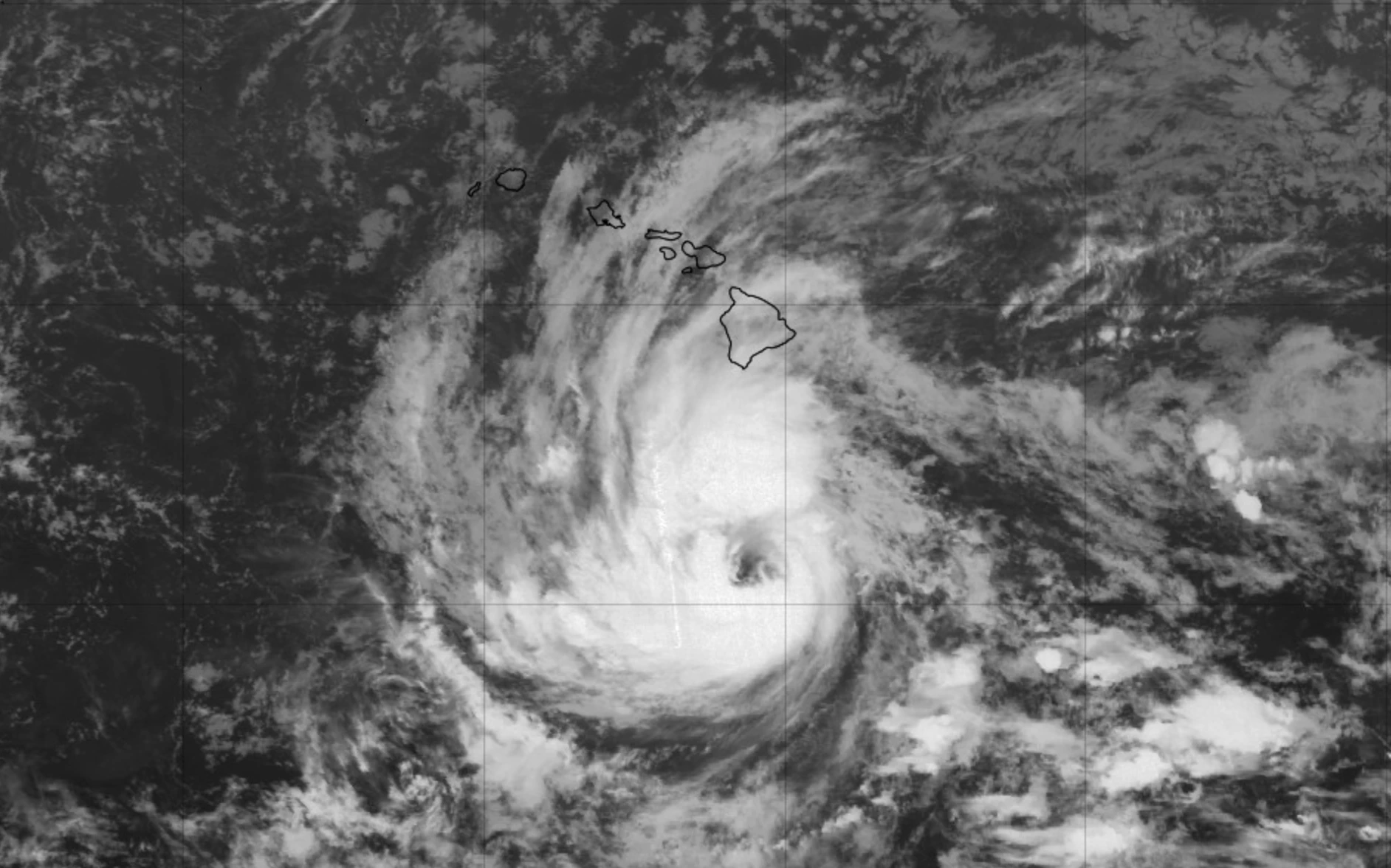
Super Typhoon Bavi slammed Guam and the Northern Mariana Islands on Monday as a Category 5 storm with 180 mph winds, with the eye passing over Rota and knocking out power across the territories. Guam set a daily rainfall record of 12.64 inches and clocked a top wind gust of 111 mph, matched by a 111 mph gust on Saipan. It is the second typhoon to strike the Marianas since Super Typhoon Sinlaku in April. Read more. |
The Aspen Acres Fire has burned more than 97,000 acres and ranks as the seventh-largest wildfire in Colorado history, destroying 185 homes and four commercial buildings in Pueblo County and 83 homes in Custer County. The human-caused fire was 24% contained as of Friday morning, more than a week after it started on June 29. Read more. |
More than 1,300 reports of severe weather were logged across the country from July 3 to 5, with the Fourth of July the single most active severe weather day of 2026 so far. Storms forced the evacuation of tens of thousands from the National Mall and produced flash flooding in Chicago's western and southern suburbs. Read more. |
The Babylon Fire near Monticello has grown to nearly 103,000 acres, about two weeks after it ignited, and is around 21% contained. Fire officials have confirmed five structures destroyed, including historic cabins as crews work to steer the fuels-driven fire north away from Monticello amid hot, dry conditions. Read more. |
Forecasted Risks for Next Week
Fresh burn scars from the Aspen Acres Fire face flash flood and debris flow risk as monsoon thunderstorms move over southern Colorado. The National Weather Service in Pueblo has warned that even brief downpours over the Rye, Beulah, and Colorado City burn areas can produce rapid runoff with little warning.
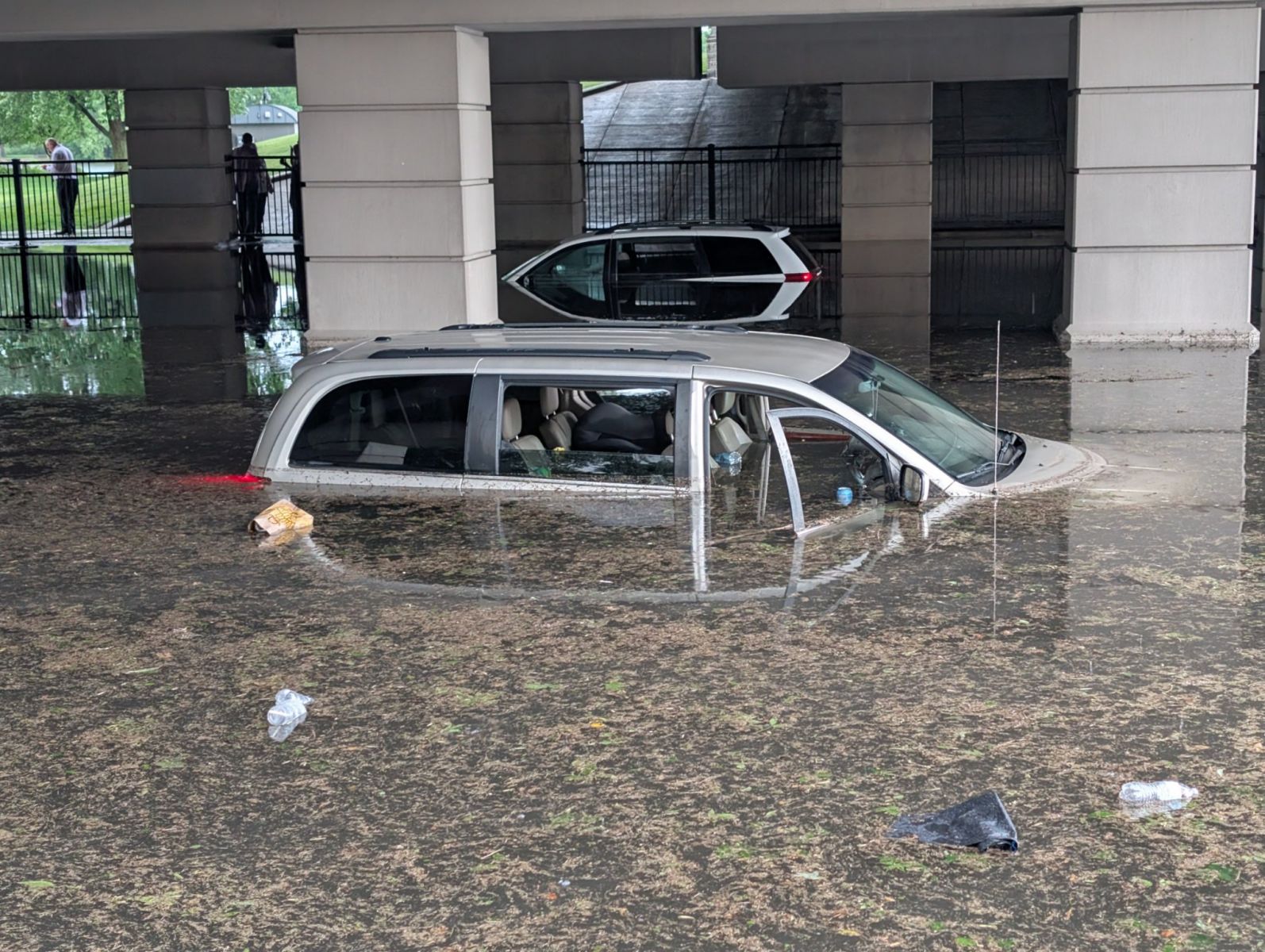
July 4 flooding in Minnesota. Source: NWS
Disasters in the Headlines
The Evidence Is In: Modern Building Codes Don’t Harm Housing Prices
One year after Texas' deadliest flood in decades, survivors rebuild as families still seek answers
Trump denies disaster aid for four Democratic-led states
PRO PERSPECTIVE
The Best Disaster Response Is the One You Never Have to Run
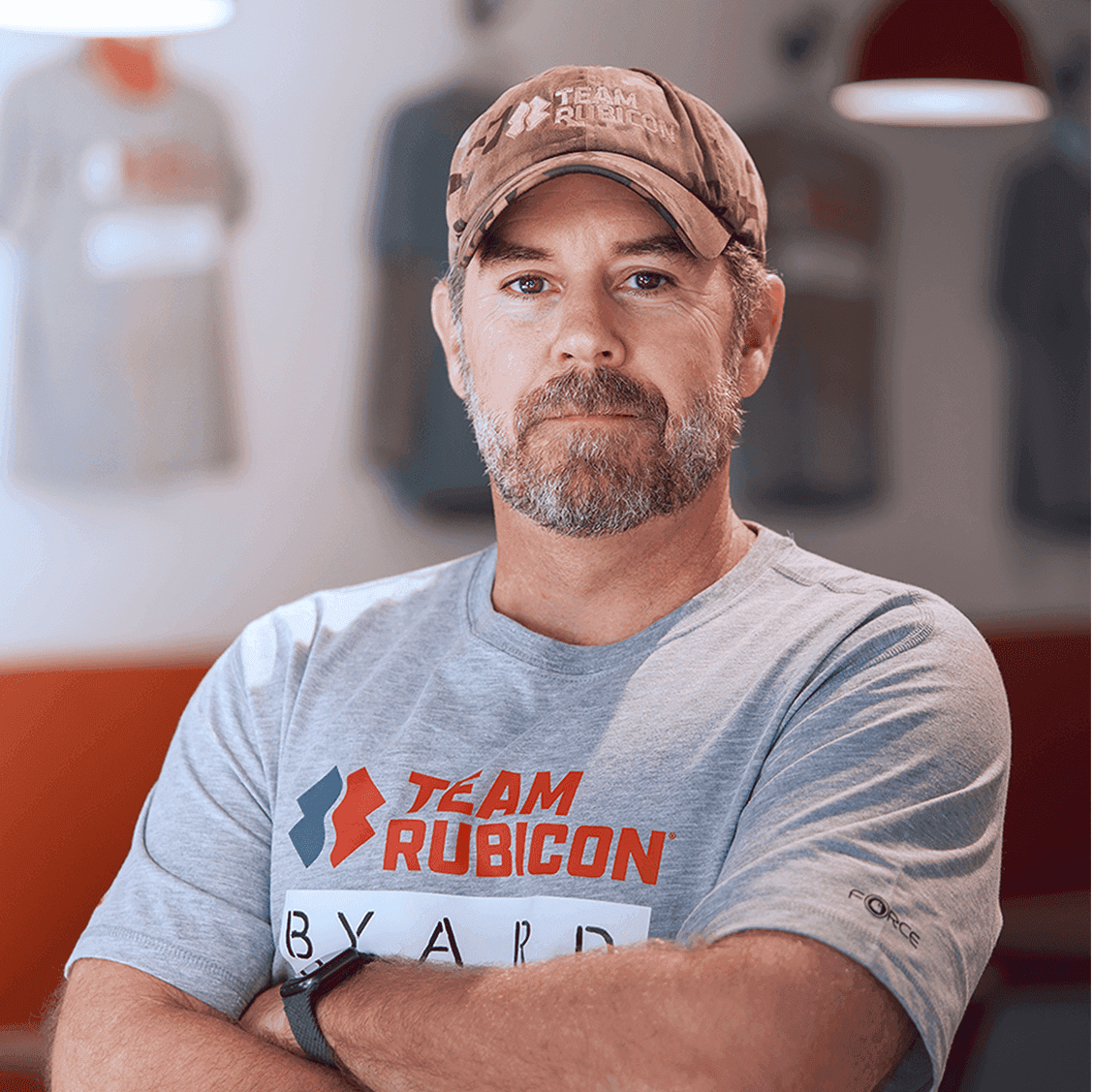
Jeff Byard signed for blue tarps by the truckload before he ever nailed one to a roof. He ordered them for years, first at the state of Alabama and then as FEMA's Associate Administrator for Response and Recovery during Harvey, Irma, and Maria. The first time he actually put one up was on a hot roof in Southwest Louisiana after Hurricane Laura, as a Team Rubicon volunteer. "I never put one on the house. I'd never done that in a disaster," he says. "And it really dawned on me. I am really at the tip of the spear here helping disaster survivors."
The gap between authorizing help and delivering it shaped how Byard sees disaster work. What counts is how close you get to helping the survivor, not the title you hold getting there.
His career put him on both sides of that gap. Byard joined the state of Alabama in 2002 as a mitigation planner, moved straight into the recovery and public assistance jobs, ran them at the state level, and landed at FEMA, where he served as Associate Administrator for Response and Recovery from 2017 to 2020. Now, as Chief Programs Officer at Team Rubicon, he runs disaster response, long-term recovery, and workforce development for a nonprofit built on volunteers. His job is getting the people who do the hands-on work to the right place with the right tools.
The only title that matters
That is also why the title means almost nothing to him, with one exception. "There's one title that matters in Team Rubicon, and that's gray shirt," Byard says. The force splits into two kinds: veteran gray shirts and what he calls "kick-ass civilians." Same bias for action, same tolerance for ambiguity, same habit of finishing what they start. A 22-year-old and a 70-year-old end up on a stranger's house in 100-degree heat for the same reason. "You can't manage volunteers. You inspire them," he says, and the inspiration is the difficulty itself. Treat people as professionals, hand them honest work, and they come back.
Chase the shelter shift
Byard gives the same instruction to anyone entering the field. "Don't chase a title," he says. "Chase a shelter shift, chase a chainsaw, chase an experience." Take the assignments with no glory attached. He ran government recovery programs for years and did not expect a thank-you, but those jobs teach you to handle chaos and to deliver hard answers cleanly. Clarity, he argues, is most of the job. "If it's a no, you've got to tell that mayor ‘no.’ You can't give false hope." Then, find leaders who delegate and who let you fail in the right areas, and build a team good enough that you can do the same.
He learned ownership at speed. Sworn in roughly four days into Hurricane Harvey, on the floor of FEMA's National Response Coordination Center in Washington, DC, packed with several hundred people from across the agencies, Byard watched Administrator Brock Long finish the ceremony, hand him the room, and leave for Houston. The lesson held: in a live disaster, you cannot wait for trust to be earned, so you give it immediately. A volunteer owns the nail going into the roof. Byard, as an administrator, owned the signature of a bill that sent Navy ships to sea. The title changes. Owning the call does not.
The best response is no response
Those instincts now run through how Byard builds programs. He weighs three things: speed, scale, and impact. Get there faster and recovery starts sooner. Do it at scale or it does not move the needle. Then prove it changed the outcome. The expansion he is most focused on moves past response entirely. Team Rubicon is scaling its wildfire mitigation work nationally, not just out west, with a deliberate focus on communities that cannot afford the service on their own. Alongside it, the organization is training and certifying carpenters in FORTIFIED roofing. The logic is plain: "If we can keep the roof on a house, we can keep the house."
Which brings it back to the tarp. A tarp keeps the rain out after the damage is done. A FORTIFIED roof means nobody has to climb up with a tarp at all. "The best disaster response is no response," Byard says, "because you've mitigated the hazard." He started out as a mitigation planner, and the work he cares most about now brings him back to it, this time having been up on the roof himself. The closer he got to helping survivors, the clearer it became: the surest help reaches them before the disaster arrives.
Active Federal Declared Disasters and Deadlines
There is usually a 60 day window to apply for help after a disaster is declared. The following disasters are actively taking applications from survivors for financial support. To apply, survivors can visit DisasterAssistance.gov or call the FEMA Helpline at 1-800‑621‑3362.
Crow Tribe of Montana - Severe Winter Storm and Straight-Line WindsSTATUS Major Disaster declared May 29, 2026; IA applications accepted in eligible counties until August 1, 2026 AFFECTED COUNTIES Crow Indian Reservation |
San Carolos Apache Tribe - Severe Storms and FloodingSTATUS Major Disaster declared May 29, 2026; IA applications accepted in eligible counties until August 1, 2026 AFFECTED COUNTIES San Carlos Indian Reservation |
Mississippi - Severe Storms, Straight-line Winds, Tornadoes, and FloodingSTATUS Major Disaster declared June 30, 2026; IA applications accepted in eligible counties until August 31, 2026 AFFECTED COUNTIES Franklin, Lawrence, Lincoln, Wilkinson |
Wisconsin - Severe Storms, Tornadoes, and FloodingSTATUS Major Disaster declared June 30, 2026; IA applications accepted in eligible counties until August 31, 2026 AFFECTED COUNTIES Bayfield, Brown, Buffalo, Jackson, Jefferson, Juneau, Kenosha, Manitowoc, Marathon, Milwaukee, Outagamie, Oneida Nation, Racine, Rock, Sauk, Vernon, Washington, Waukesha, Waupaca, Winnebago |
Michigan - Severe Storms, Tornadoes, and FloodingSTATUS Major Disaster declared June 30, 2026; IA applications accepted in eligible counties until August 31, 2026 AFFECTED COUNTIES Alcona, Allegan, Alpena, Antrim, Barry, Benzie, Charlevoix, Cheboygan, Crawford, Emmet, Grand Traverse, Gratiot, Iosco, Kalamazoo, Kalkaska, Manistee, Mecosta, Montcalm, Muskegon, Newaygo, Oceana, Osceola, Presque Isle, Roscommon, Saginaw, Washtenaw, Wexford |
Louisiana - Tropical Storm ArthurSTATUS Major Disaster declared June 30, 2026; IA applications accepted in eligible counties until August 31, 2026 AFFECTED COUNTIES Avoyelles, St. Landry, St. Tammany, Terrebonne |
North Carolina - Flooding and Storm Damage from Tropical Storm ChantalSTATUS SBA disaster declaration approved July 26, 2025; applications open for residents and businesses in eight NC counties. The deadline to return economic injury applications has been extended to September 30, 2026. APPLY NOW AFFECTED COUNTIES Alamance, Caswell, Chatham, Durham, Granville, Orange, Person, Wake Counties |
Sign up for This Week in Disasters here.