Are you a disaster survivor looking for help? Click here
This Week in Disasters

Source:NOAA
Plus, why 94% of americans think their disaster assistance should be provided as cash
Welcome back to This Week in Disasters! This newsletter combines expert perspectives with a weekly roundup of upcoming threats, recent natural disasters, and available survivor assistance. If you're a Risk, Insurance, Employee Assistance, or Emergency Management professional (or you're just really curious about weather in the United States!), you're in the right place.
If you want to receive exclusive news, updates, and job postings, sign up for This Week in Disasters here.
Major Disasters of the Last Week
The Bouquet Fire broke out near Bouquet Canyon and Quarry roads in the Angeles National Forest on the afternoon of October 3 and reached 1,048 acres within hours, prompting evacuation orders and warnings northeast of Santa Clarita. A shelter opened at the Castaic Sports Complex, and some evacuation orders were downgraded to warnings by Sunday evening as containment has reached over 60%. Read more. |
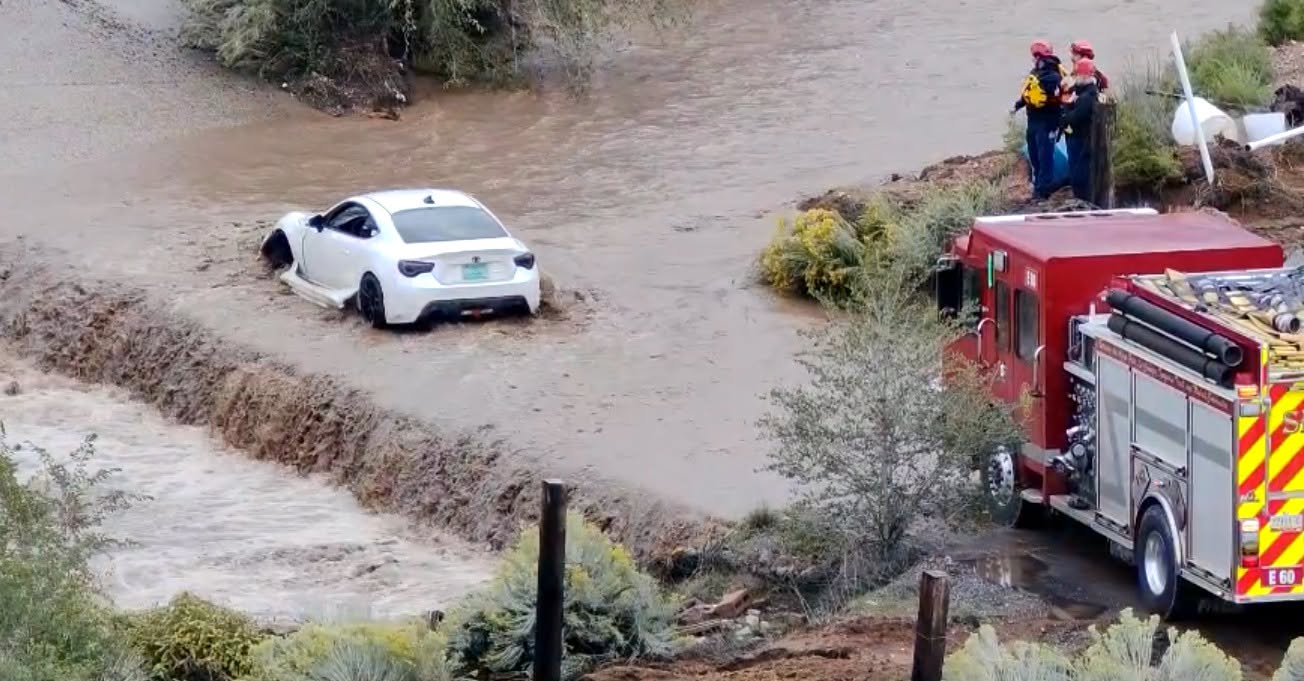
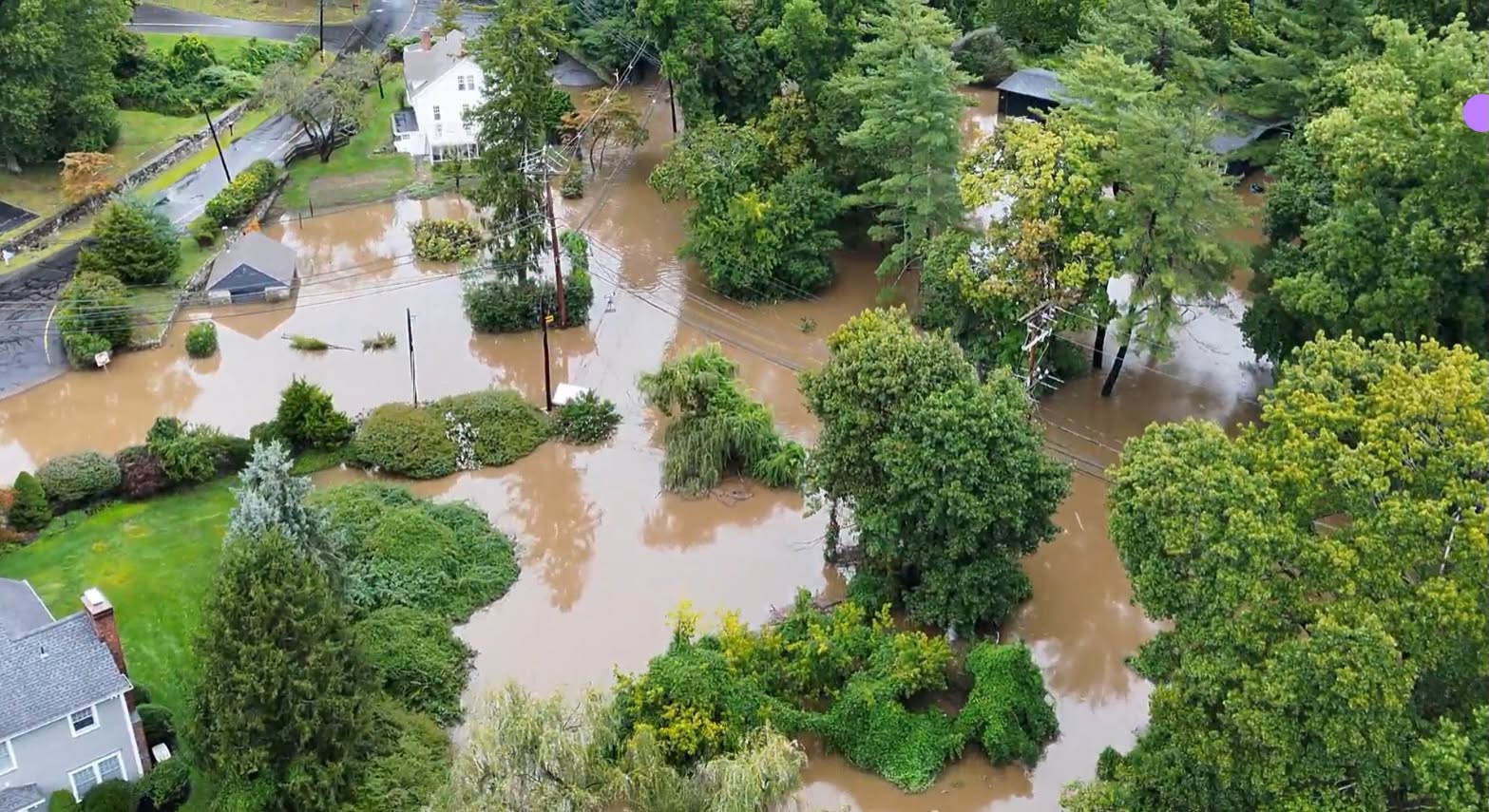
Days of tropical downpours ahead of Isaias dropped an estimated 8 or more inches of rain on southeast Alabama and southwest Georgia counties Monday into Tuesday. Another 3 to 5 inches fell south of I-10 in the Florida Panhandle. Flash flood warnings covered the Tallahassee area Monday, and the National Weather Service extended its Flood Watch through Tuesday night, leaving the ground saturated days ahead of Isaias's arrival. Read more. |
Forecasted Risks to Watch for the Next Week
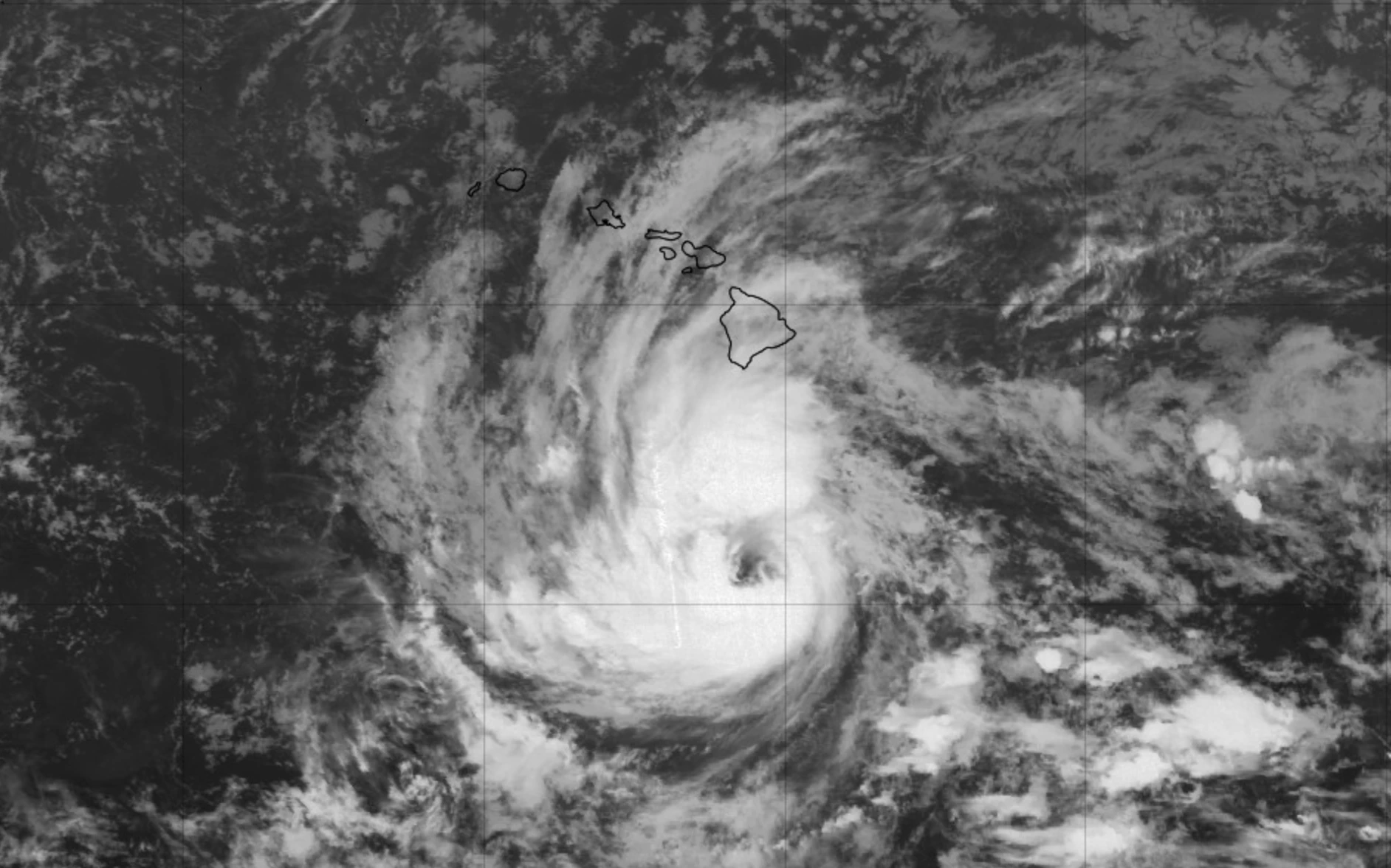
Hurricane Isaias strengthened into a Category 3 storm Friday morning and is forecast to make landfall near the Alabama-Florida line late tonight or early Saturday. Forecasters expect some weakening near the coast but a dangerous hurricane at landfall; a hurricane warning runs from the Mississippi-Alabama line to Panama City, with evacuations underway in parts of coastal Alabama and Florida. The National Hurricane Center expects 3 to 7 inches of rain near the coast, up to 15 in spots, along with life-threatening storm surge and tornadoes east of the center. Heavy rain then spreads inland across the Southeast through the weekend.
Moisture from Hurricane Rachel is forecast to surge into the Southwest this weekend into early next week after the storm's unusual U-turn toward northern Baja California. AccuWeather forecasters warn the remnants could trigger major flooding in parts of Arizona and Utah

Bouquet Fire. Source: Angeles National Forest
Disasters in the Headlines
"How Will the New Housing Bill Impact Federal Disaster Response?"
"A storm hit Sesame Street. Here's what Grover learned about disasters."
PRO PERSPECTIVE
Disaster Donors Do Not Need to Worry. Survivors Know What They Need.

Save the Children can move emergency cash to a disaster survivor within 42 hours of the disaster’s impact. Bjorn Betzler, Senior Cash Advisor at Save the Children US and co-founder of the Cash Coordination Coalition (US Disasters), says no cash program in the country is faster. Donors are slower to move. Betzler spends his days persuading them that cash assistance works.
He learned cash assistance in the field. After Peace Corps service in The Gambia during the 2007 to 2009 global food crisis, and graduate study in disaster resilience at Tulane, he ran cash programs for years, mostly in conflict zones in the Middle East. The rules he followed there apply here: Rely on local actors, follow the research, and ask people how they want to receive help.
The Holdout Is the Funder
Survivors need little convincing. GoFundMe campaigns and mutual aid networks already move money person to person after disasters. In Save the Children's recent responses, 94% of recipients preferred cash to in-kind support, and the community nonprofits interviewed for an independent UCLA evaluation of the LA Wildfires project backed it too.
"The donor hesitancy in this space is that they don't trust people to use that money wisely despite all of the research that says they will," Betzler says. Funders still ask him whether survivors will spend the money on cigarettes, though that is not the case. People use the money for urgent needs for their families. Research on how disaster survivors use cash is extensive. Much of that research hasn’t been conducted in the USA, so Save the Children commissioned a UCLA study and has follow-on research underway with Boston University.
What the Evidence Shows
The UCLA study tracked a $1,000 payment per household, sent six to ten months after the January 2025 fires. 54% of recipient families were still displaced when it arrived, and 79% said it met their family's needs "a lot" or "completely." Betzler saw the same after Hurricane Helene. Months out, families were still early in recovery and spending the assistance on their immediate needs - groceries, housing costs, and healthcare.
The timing for the LA response came from a partner. A Boys & Girls Club flagged that families were worried about back-to-school costs. Save the Children checked the numbers, pegged the payment to an estimated $997 per child in LA-area school expenses, identified the families that could use the money the most and paid it. Betzler gives the partner the credit. Its staff and their families had lived through the fires since day one, and they knew the community's needs better than any outside responder could. "I'm a guy from Minnesota. I've never been to LA. What do I know?" he says. "I've got to listen to the experts on the ground."
Because families still need help months later, the UCLA report recommends paying cash in stages. Fast money in the first hours covers the gap before insurance payouts arrive and keeps families out of debt. A later round goes out when partners flag the next cost families can't cover.
Flat Payments Hold Up Better
Community input also sets the amount. Save the Children has tested tiered amounts based on household size or other aid received, and each tier creates friction. Neighbors compare notes, and complexity invites people to try to game the system. Betzler's standard is a flat amount large enough to matter, targeted to the most vulnerable families. "We'll never set a transfer value without talking to the community first," he says. That holds even on the 42-hour clock.
Trust Has to Run Both Ways
Flat, simple payments only work if families apply. Of 1,984 LA families invited to register, 1,665 were supported. Hundreds were duplicates removed by the system so no family could be paid twice. Some of the hardest families to reach faced technology barriers or plain suspicion. "We're asking families who've never heard of Save the Children to respond to a link promising a thousand dollars," Betzler says. "That seems like a scam."
Save the Children rewrote its outreach on feedback from the Coalition for Humane Immigrant Rights (CHIRLA) and now Save the Children’s technical platform, Aidkit, works in four languages. Two recent responses reached 100% completion, with a team of two chasing hard-to-reach cases and fielding applicant questions. His advice to any program, public or private: design for the most vulnerable family, and build the application for someone who has just had the worst day of their life.
Coordination Is the Next Fix
A simple application still sits inside a complicated system. LA families described recovery as a patchwork, and one called tracking aid a full-time job. Betzler and a peer at CORE Response started the Cash Coordination Coalition (CCC) in their spare time, with no funding, to shrink that burden. After a disaster, the CCC makes sure every organization delivering cash is talking to the others. Over a hundred actors now participate, alongside National VOAD and state VOADs.
He wants insurers and retailers such as Walmart, Lowe's, Amazon, and Home Depot backing cash too, so survivors choose what they need. Save the Children also lays groundwork before a disaster, so it rarely enters a community without contacts. National partnerships with groups such as Easterseals and Boys & Girls Clubs give it local relationships almost anywhere. Once a disaster hits, it pairs NASA data on the hardest-hit areas with local economic data to find the families with the fewest resources, and it puts rural, tribal, and historically underserved communities first.
The bottom line.
Save the Children can already get money in the hands of a survivor within 42 hours of disaster impact. Betzler is now building the evidence funders need, through the UCLA study and follow-on work with Boston University, and he expects it to make cash the default way the US responds to disasters.
Active Federal Declared Disasters and Deadlines
There is usually a 60 day window to apply for help after a disaster is declared. The following disasters are actively taking applications from survivors for financial support. To apply, survivors can visit DisasterAssistance.gov or call the FEMA Helpline at 1-800‑621‑3362.
West Virginia - Severe Storm and FloodingSTATUS Major Disaster declared October 7, 2026; IA applications accepted in eligible counties until December 7, 2026 AFFECTED COUNTIES Fayette, Harrison, Kanawha |
Wisconsin - Severe Storms and TornadoesSTATUS Major Disaster declared August 3, 2026; IA applications accepted in eligible counties until October 3, 2026 AFFECTED COUNTIES Rota (Municipality) |
Mississippi - Tropical Storm ArthurSTATUS Major Disaster declared October 7, 2026; IA applications accepted in eligible counties until December 7, 2026 AFFECTED COUNTIES Forest, Outagamie, Vilas, Winnebago |
Indiana - Severe Storm, Straight-line Winds, Tornadoes, and FloodingSTATUS Major Disaster declared August 25, 2026; IA applications accepted in eligible counties until October 25, 2026 AFFECTED COUNTIES Hancock, Harrison, Pearl River, Stone |
Guam - Super Typhoon BaviSTATUS Major Disaster declared October 7, 2026; IA applications accepted in eligible counties until December 7, 2026 |
Ohio - Severe Storm, Straight-line Winds, Tornadoes, Flooding, and LandslidesSTATUS Major Disaster declared October 2, 2026; IA applications accepted in eligible counties until December 1, 2026 AFFECTED COUNTIES Clermont, Franklin, Hamilton, Licking, Morgan, Muskingum, Perry |
Hawaii – Kona EarthquakeSTATUS AFFECTED COUNTIES Hawaii |
Oglala Sioux Tribe – Severe Storms, Straight-line Winds and FloodingSTATUS Declared September 1, 2026. Individual Assistance available across the Pine Ridge Reservation. No application deadline has been published yet; check DisasterAssistance.gov. |
Sign up for This Week in Disasters here.