Are you a disaster survivor looking for help? Click here
This Week in Disasters
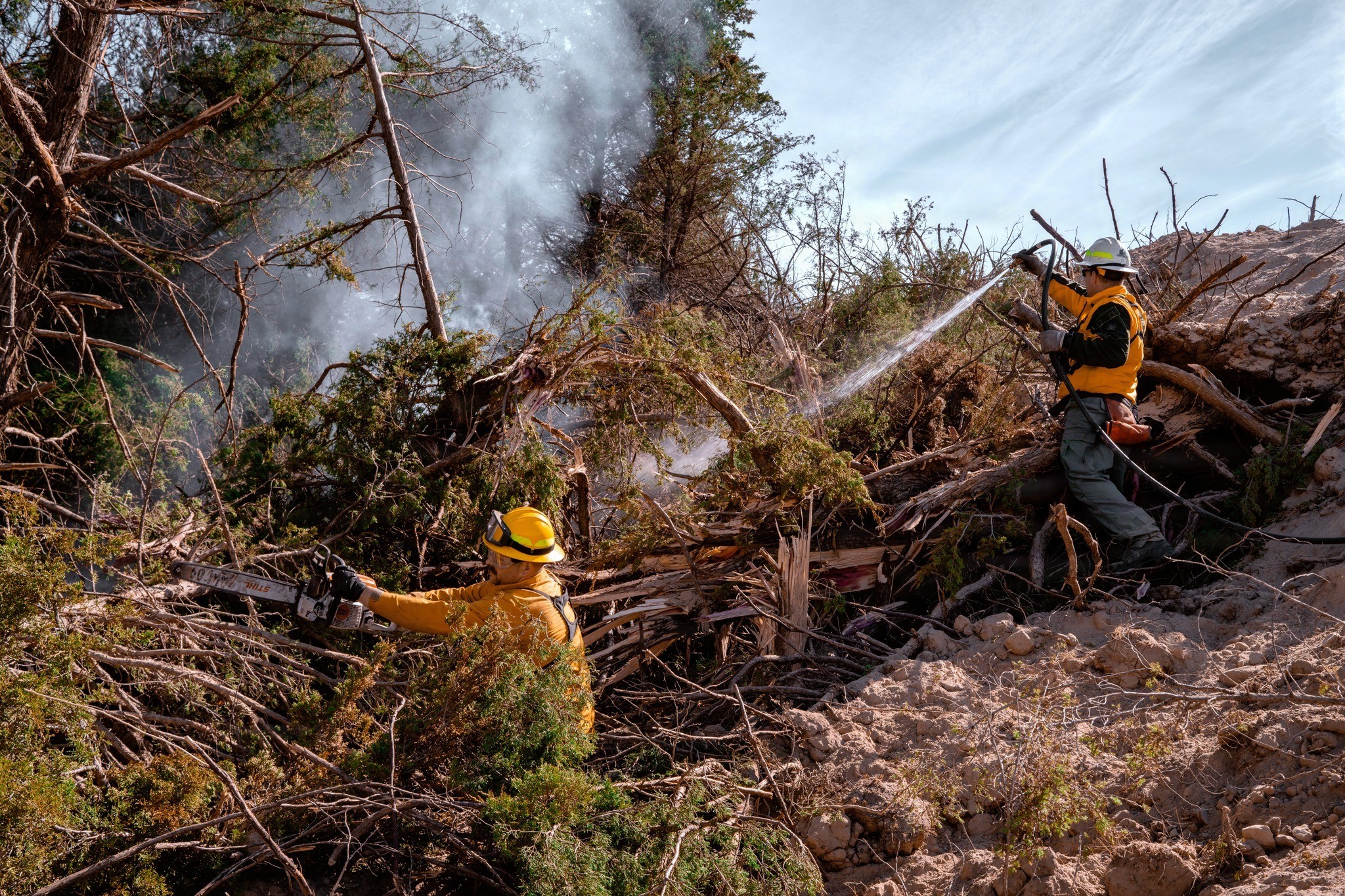
Source: Nebraska National Guard (Cottonwood Fire)
Plus: Daniel Kaniewski has worked inside FEMA, the insurance industry, and the private market. Here's what he sees.
Welcome back to This Week in Disasters! This newsletter combines expert perspectives with a weekly roundup of upcoming threats, recent natural disasters, and available survivor assistance. If you’re a Risk, Insurance, Employee Assistance, or Emergency Management professional (or you’re just really curious about disasters in the United States!) you’re in the right place.
Major Disasters of the Last Week
Nebraska's wildfire season has now burned more than 874,000 acres — a record for the state. The Morrill Fire alone, at 643,000 acres, is the largest single wildfire in Nebraska history, displacing more than 35,000 cattle and destroying miles of fencing across the Sandhills. Governor Pillen lifted the statewide burn ban today as conditions improve, though crews remain active and fire officials warn the risk has not fully passed. Read more. |
|---|
New York saw its first tornado of 2026 on March 31, when an EF1 touched down in Cattaraugus County with peak winds of 107 mph, snapping trees near several homes and producing large hail through Gowanda. Read more. |
A 4.6 magnitude earthquake struck the Santa Cruz Mountains near Boulder Creek at 1:41 a.m. this morning, rattling the Bay Area from Marin County to the South Bay. No significant damage or injuries were reported, though USGS puts the odds of a magnitude 3.0 or higher aftershock within the next week at 60%. Read more. |
Severe thunderstorms swept across Iowa, Illinois, and Wisconsin on Thursday, producing confirmed tornadoes and half-dollar-sized hail across multiple counties. The NWS issued more than a dozen tornado warnings throughout the afternoon and evening, with rotation confirmed by spotters near Iowa City and warnings extending into the Quad Cities metro. Read more. |
Forecasted Risks for Next Week
Tornadoes and large hail are possible across the southern and central Plains today as a dryline sharpens over the southern High Plains and a low deepens over southeastern Colorado, with all hazards possible from West Texas through western Iowa by evening.
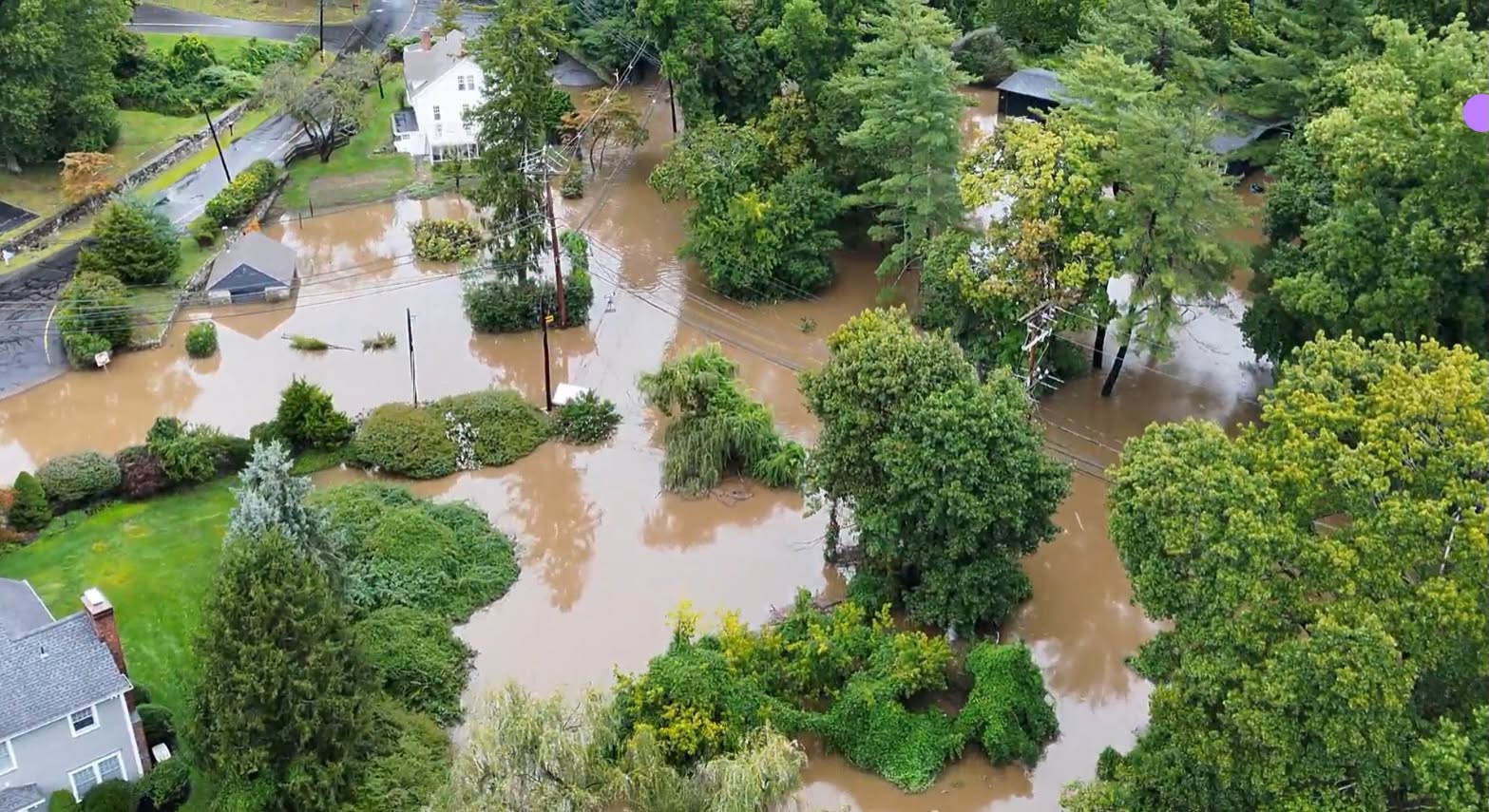
Major flooding is possible north of the Ohio River through the weekend, with rainfall totals of 1.5 inches or more expected in already-saturated parts of northeast Oklahoma and southeast Kansas.
Wildfire risk is expanding earlier than usual across the West. Updated NIFC maps show above-normal fire potential spreading into the Rockies and Pacific Northwest, driven by record low snowpack and drought covering more than 40% of the country.
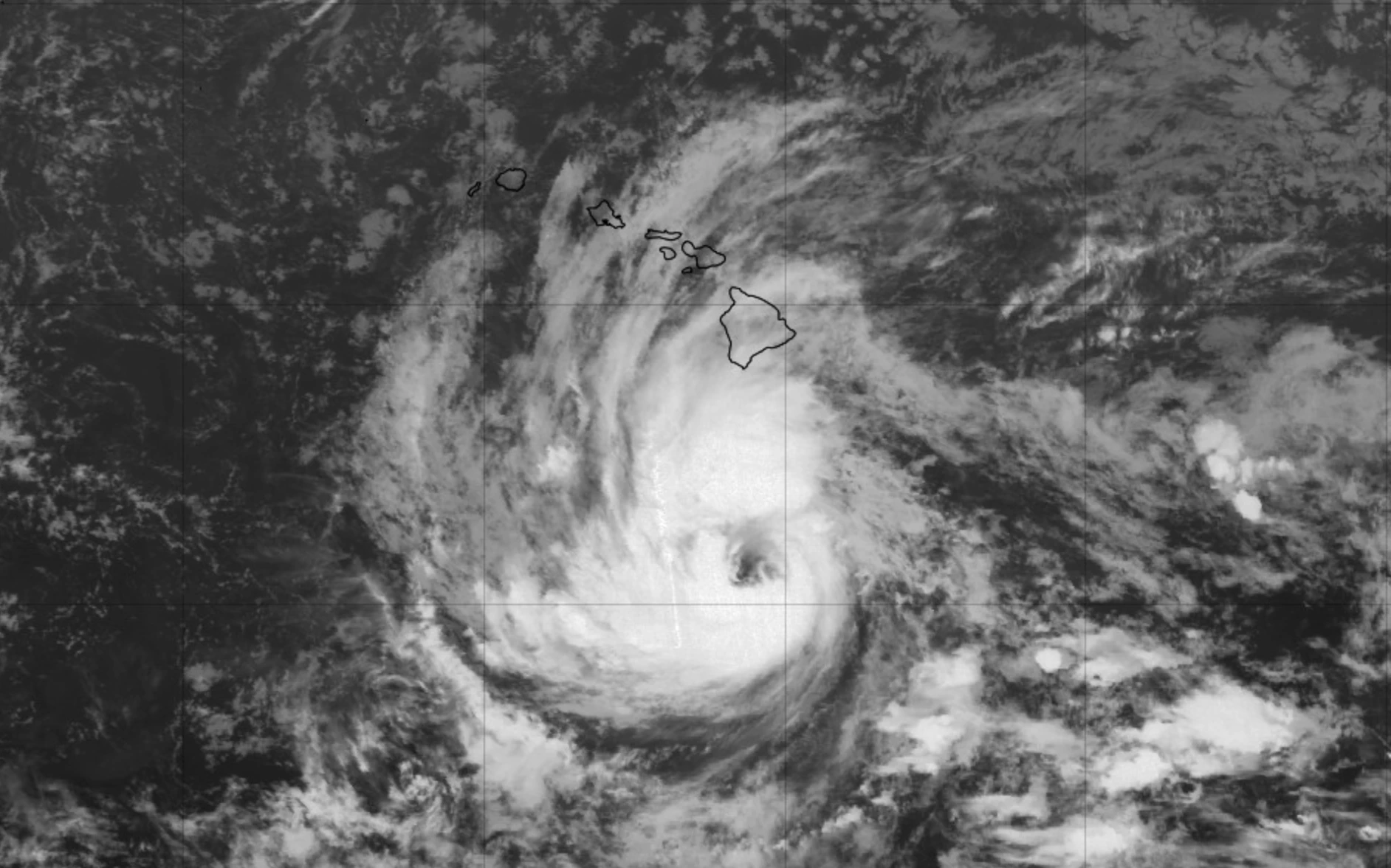
Hawaii is watching for more heavy rain mid-week as a frontal system approaches with moisture levels forecast near the 95th percentile — little margin for a state still assessing more than $1 billion in damage from recent Kona Low storms.
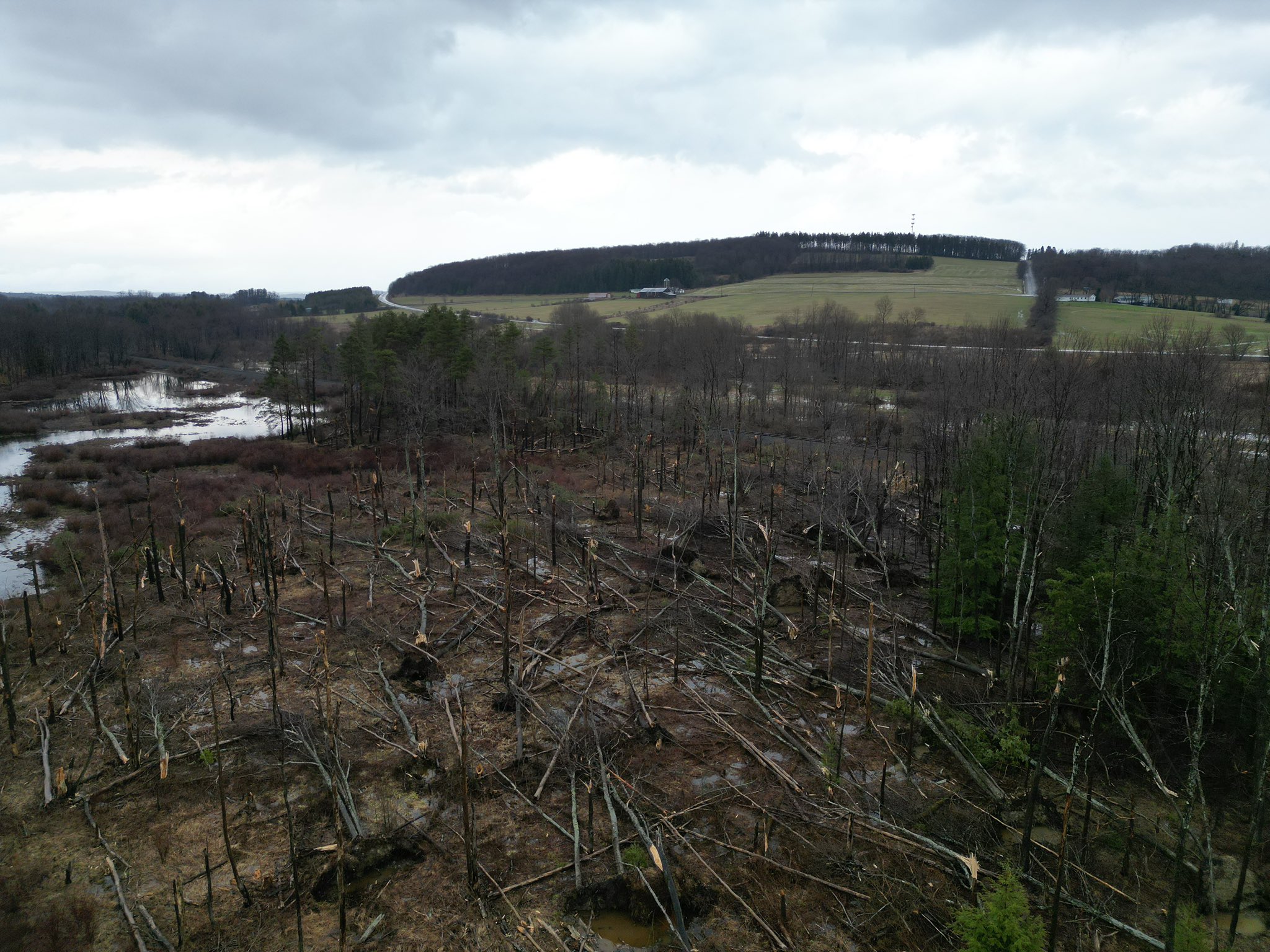
Tornado damage in Machias, NY. Source: BuffaloWeather (@weather_buffalo), X post, March 2026
Disasters in the Headlines
Trump criticizes State Farm over California wildfire insurance delays
New DHS boss rescinds $100,000 approval process, giving hope for FEMA relief efforts
Seismic Activity in California Varies with the Seasons
Caltech
These maps show exactly where the West might burn this summer
Grist
PRO PERSPECTIVE
Millions of Americans Are Counting on FEMA for Something It Was Never Designed to Do.

Dan Kaniewski started his career as a firefighter and paramedic. He was in the White House three weeks before Hurricane Katrina. He joined FEMA as Deputy Administrator for Resilience three days before Hurricane Maria. After six years as Managing Director for the Public Sector at Marsh, the world's largest commercial insurance broker, he founded Northstar Risk & Resilience. He's also Bright Harbor's newest advisor.
Kaniewski's career has circled around one big question: what does it actually take to protect people from disasters before the worst happens? His answer is less comfortable than most people want to hear.
The FEMA misconception is costing people money.
The most damaging myth in American disaster recovery is that FEMA functions as a financial backstop for individuals.
FEMA's Individual Assistance program will get qualifying survivors a few thousand dollars: enough for a hotel for a few weeks, but not enough to rebuild a home.
"Those without insurance will take much longer and not as fully recover from a disaster than those with insurance," Kaniewski says. "The only way to fully recover is through insurance."
FEMA was designed to support governors when a disaster exceeds state capacity. It was never designed to replace a homeowners policy. Most Americans don't know the difference until after they've lost something.
Seventy percent of disaster losses in this country sit inside that gap.
The flood insurance problem is its own category of broken.
The National Flood Insurance Program covers roughly 6% of American homeowners, carries $20 billion in debt, and has been awaiting congressional reform for over a decade. But any home can flood, even those outside a flood zone, and many people are unaware of their risk.
"There's some number of Americans, not an insignificant number, that still don't realize that flood insurance isn't included in your homeowners policy," Kaniewski says. "Just that level of public education would help move the needle a bit."
Private flood insurers have improved their modeling and are writing more policies than a generation ago, but the NFIP still dominates the market. Kaniewski believes policyholders deserve a program that pays quickly and comprehensively. That's not what the current program reliably delivers.
Why the insurance market is pulling back.
When insurers exit high-risk markets, whether wildfire in California or flood in Florida and Louisiana, they're doing exactly what insurance does: pricing risk. When that risk rises faster than mitigation, the math stops working. State-backed insurers of last resort like the California FAIR Plan step in, but they carry high premiums, limited coverage, and structural fragility.
Getting back to available, affordable insurance in these markets requires reducing the underlying risk. That's expensive at scale, and it raises an obvious question: what does that mean in practice?
Next week, Kaniewski gets specific.
Active Federal Major Disasters
There is usually a 60 day window to apply for help after a disaster is declared. The following disasters are still actively taking applications from survivors for financial support.
The following disasters are actively taking applications from survivors for financial support. To apply, survivors can visit DisasterAssistance.gov or call the FEMA Helpline at 1-800‑621‑3362.
Washington - Flooding (State Assistance)STATUS Those whose homes were damaged by December's historic flooding should apply for in state assistance for their immediate needs by April 27, 2026. Impacted individuals should visit SAHelp.org and enter their zip code to start the process, or call 833-719-4981. AFFECTED COUNTIES King, Snohomish, Skagit, Whatcom |
Alaska - Severe Storms, Flooding, and Remnants of Typhoon HalongSTATUS Major Disaster declared October 22, 2025; IA applications accepted in eligible counties until April 3, 2026. AFFECTED COUNTIES Lower Kuskokwim Regional Educational Attendance Area, Lower Yukon Regional Educational Attendance Area, Northwest Arctic |
North Carolina - Flooding and Storm Damage from Tropical Storm ChantalSTATUS SBA disaster declaration approved July 26, 2025; applications open for residents and businesses in eight NC counties. The deadline to return economic injury applications is April 27, 2026. APPLY NOW AFFECTED COUNTIES Alamance, Caswell, Chatham, Durham, Granville, Orange, Person, Wake Counties |
Sign up for This Week in Disasters here.