Are you a disaster survivor looking for help? Click here
This Week in Disasters
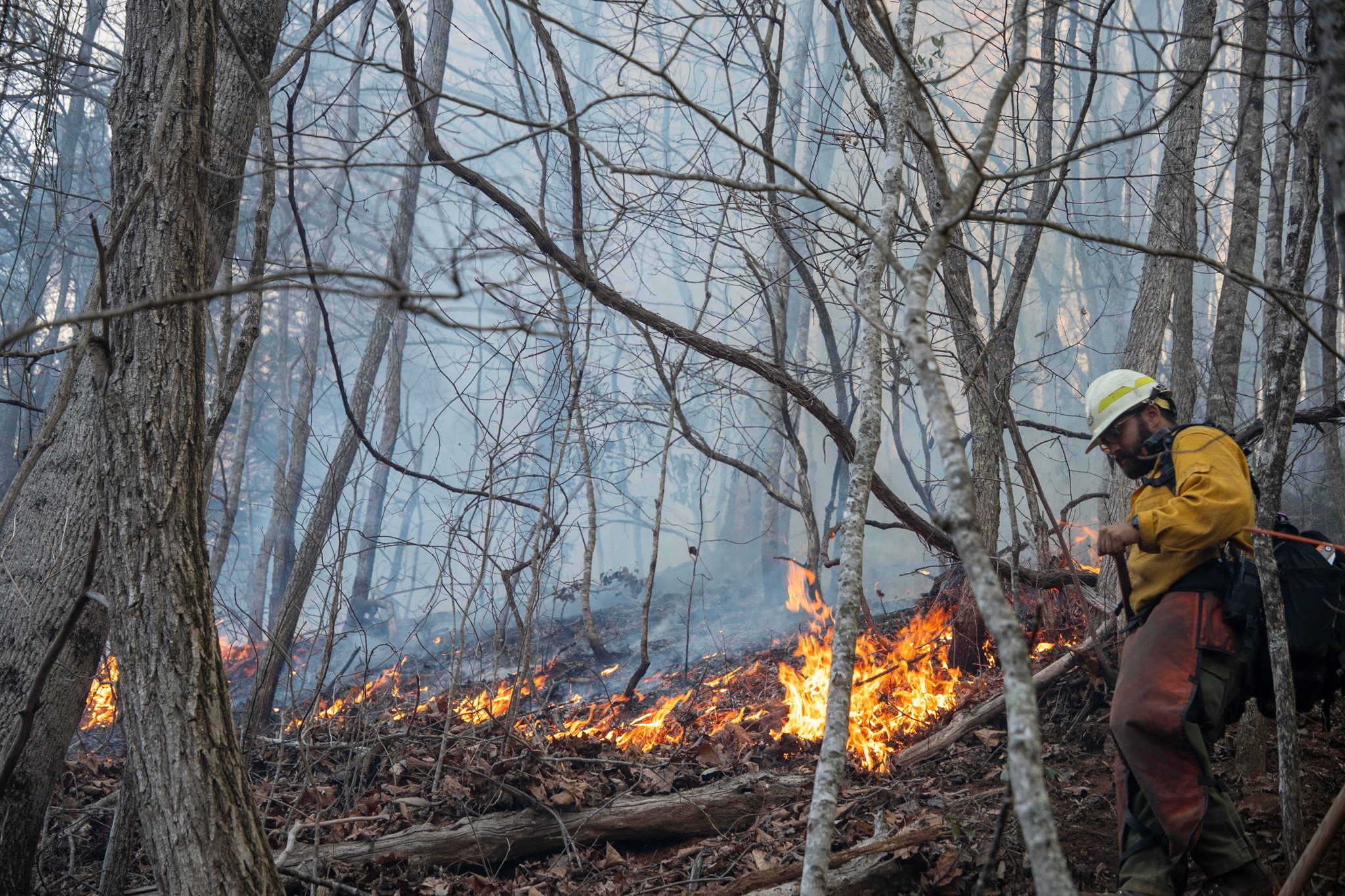
Winding Stairs Alpha Fire in North Carolina. Source: USDA Forest Service photo by Dana Hodde.
Plus, why resilience needs a Chili's Triple Dipper comeback
Welcome back to This Week in Disasters! This newsletter combines expert perspectives with a weekly roundup of upcoming threats, recent natural disasters, and available survivor assistance. If you’re an HR, Risk, Insurance, Employee Assistance, or Emergency Management professional (or you’re just really curious about disasters in the United States!) you’re in the right place.
Major Disasters of the Last Week
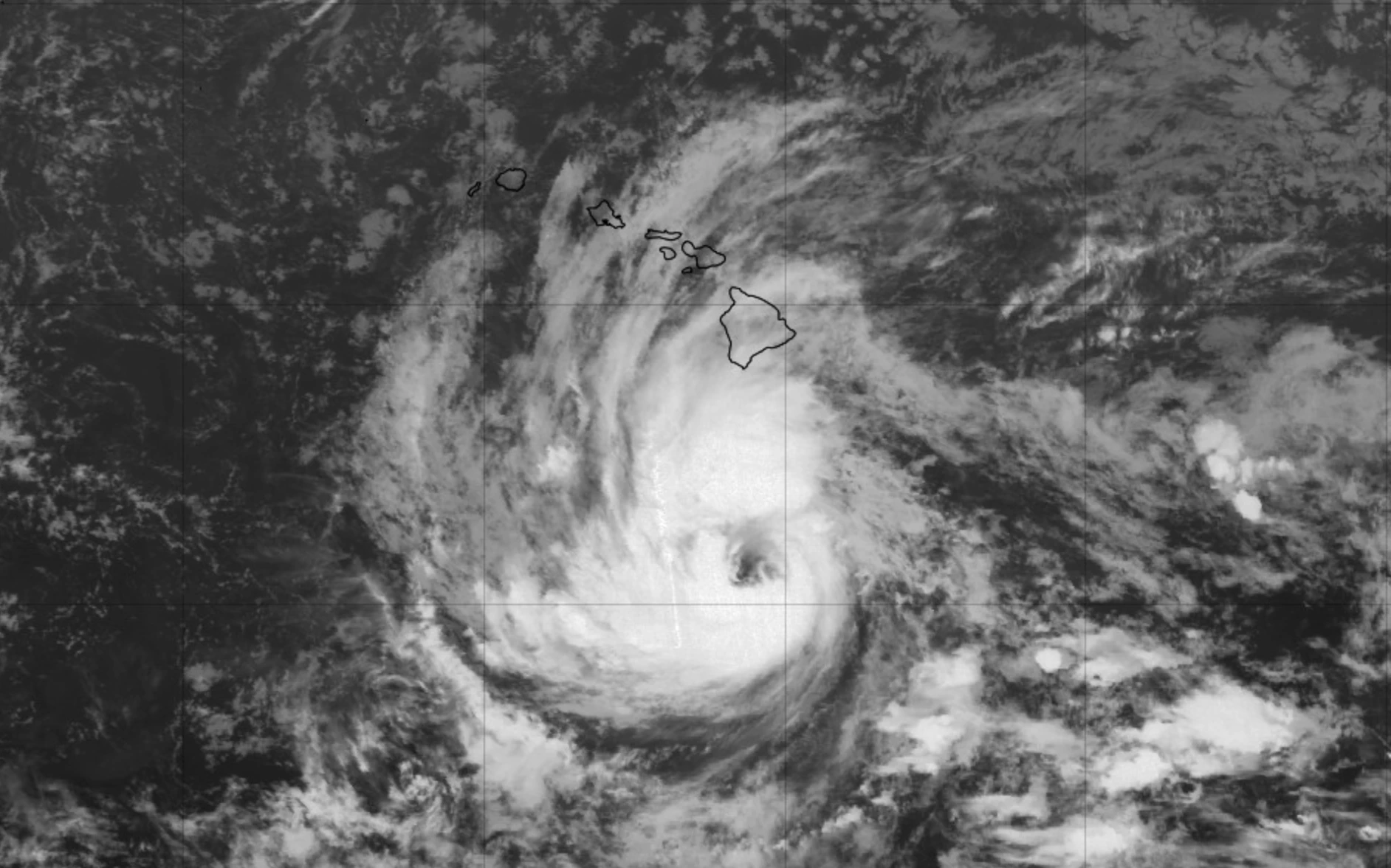
A recent storm in Hawaiicaused flooding, knocked down trees and power poles, blew off some roofs, and dropped over 30 inches of rain in some areas. Read more. |
84.9% percent of the Southeast(TN, AL, GA, FL, SC, NC, VA) is in drought, which has led to some fires. Read more. |
Forecasted Risks for Next Week
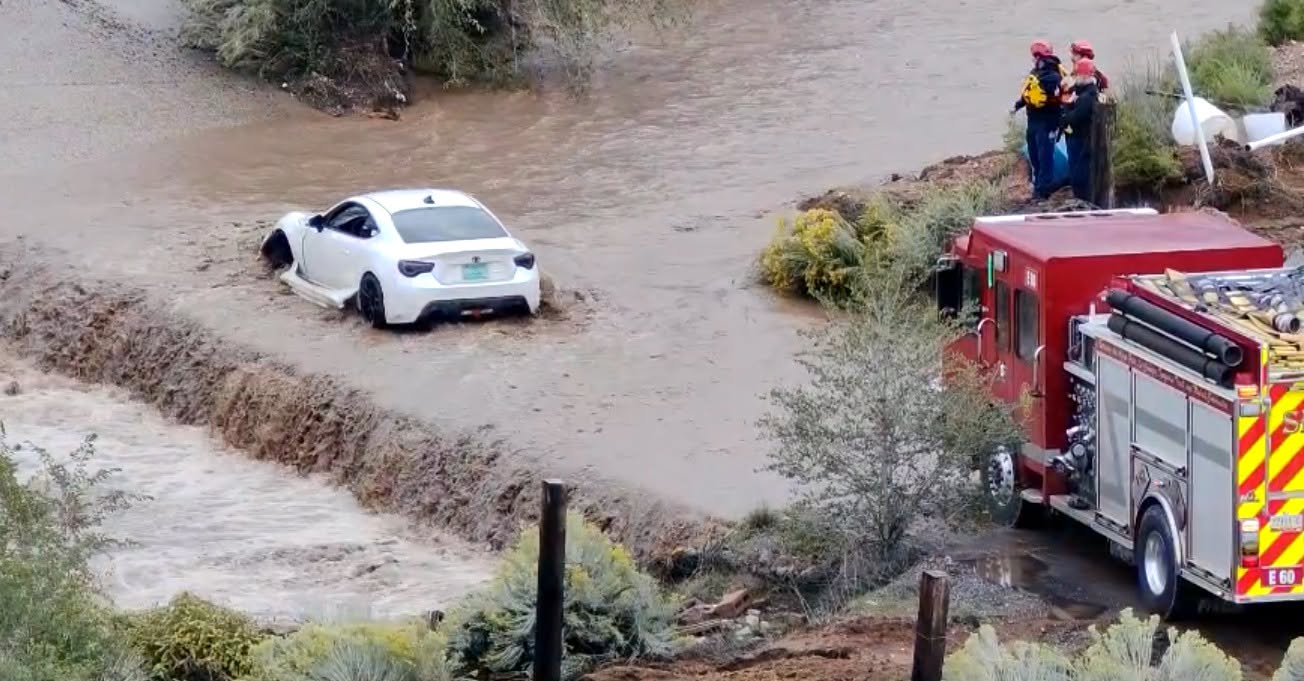
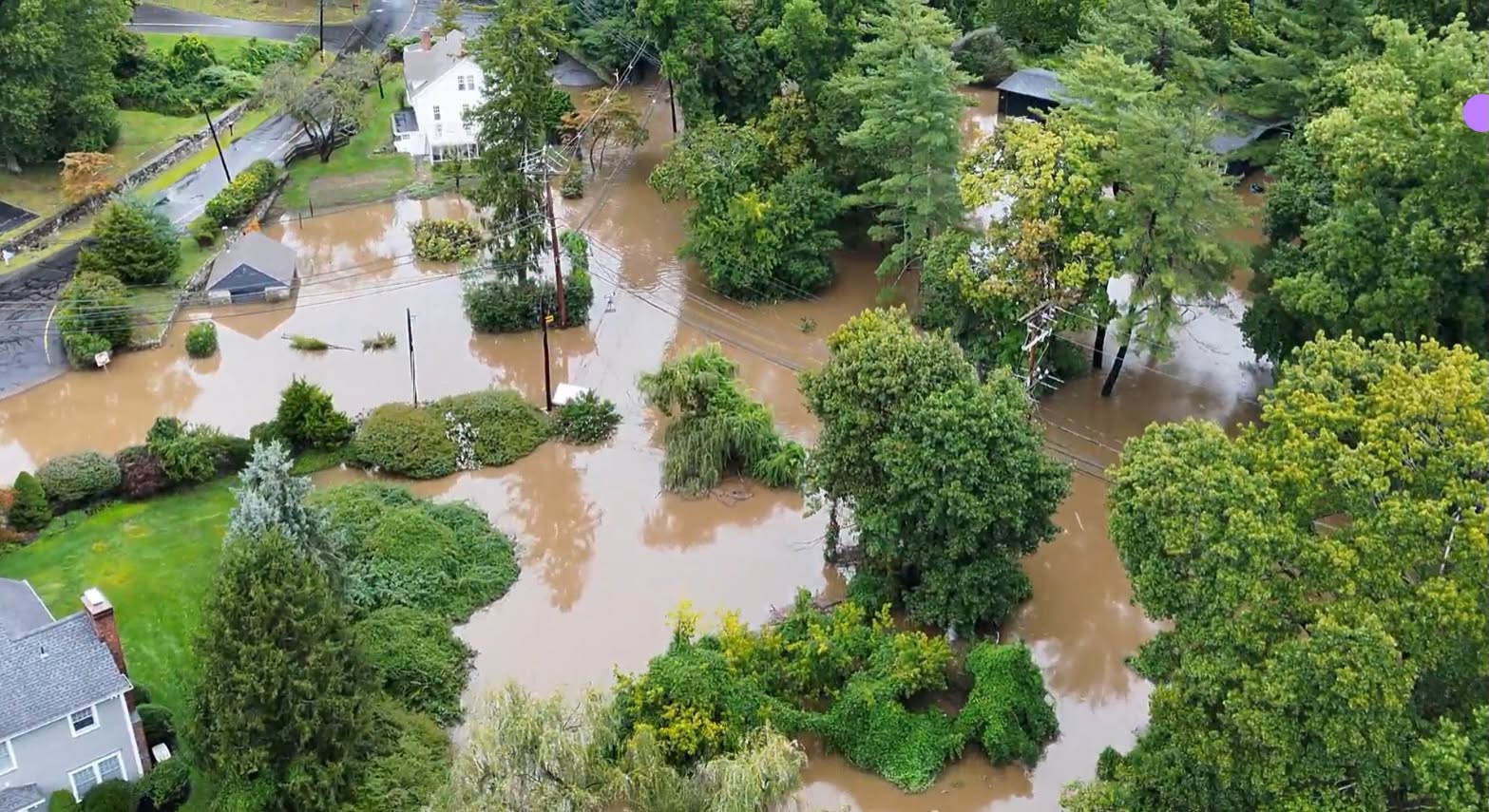
A storm system is expected across the southern U.S. from Friday through the weekend. It is expected to bring areas of heavy rain and localized flash flooding.
A significant weather system is impacting California with heavy rain, flooding, and mountain snow. Forecasts predict rainfall totals of 3.7 to 8.5 inches in some areas due to a powerful jet stream.
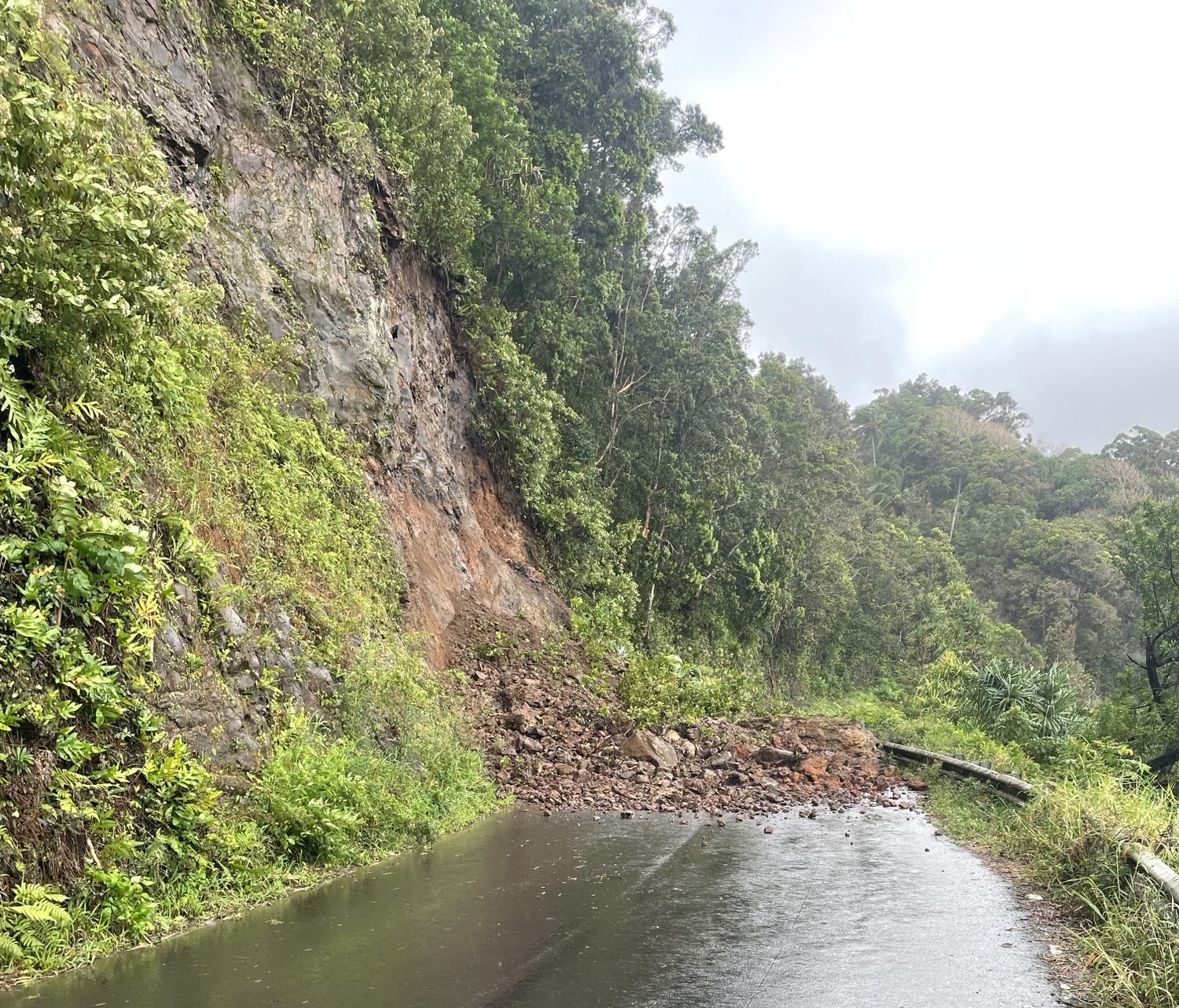
A landslide blocking both lanes in Hawaii. Source: Hawaii Department of Transportation
Disasters in the Headlines
This New Wildfire Risk Model Has No Secrets
Puerto Rico Energy Bureau’s temporary response to electric grid woes is problematic at best, corrupt at worst
EPA to repeal landmark finding that climate change endangers the public
The Hill
There are more signs of a coming El Niño that could trigger record global warmth
The Washington Post
PRO PERSPECTIVE
Making Resilience the “Triple Dipper”

BuildStrong America was founded in 2011 with a focused mission: reduce the cost of disasters.
What began as a coalition advocating for statewide building code adoption has since grown into a national alliance of public and private sector stakeholders committed to stronger communities. Today, the coalition brings together emergency responders, insurers, engineers, architects, contractors, manufacturers, consumer advocates, and code specialists around one shared goal: advancing policies that make the nation more resilient.
“You can have the strongest house in the world,” Natalie Enclade, Executive Director of BuildStrong America, said. “But if your infrastructure around it is not up to date… you’re in a house that has a roof, but there’s no power for four months.”
That recognition pushed BuildStrong beyond codes alone. The coalition now advocates for stronger building codes and enforcement, federal resilience policy that shapes mitigation funding, and investments in resilient infrastructure and materials.
Unlike many resilience organizations, BuildStrong operates as a 501(c)(4), which allows it to lobby at the federal level to directly influence legislation and funding structures.
But Enclade argues that policy alone will not move the needle.
“We know what we’re supposed to do. We know that resilience saves money,” she said. “But it kind of just falls off of the radar of people from time to time.”
Her answer to that problem is what she calls the “Triple Dipper Theory.”
Borrowing from the Chili’s Triple Dipper, which recently resurged in popularity thanks to social media influencers, Enclade uses the analogy to illustrate a cultural truth: something can be valuable and widely available, yet still need renewed attention to become top of mind.
“Chili’s never went away… but it wasn’t until the influencers were like, ‘oh, hey, let’s start highlighting this Triple Dipper,’ and now it’s everywhere,” she said.
Resilience, she argues, needs the same type of cultural momentum.
Instead of focusing only on emergency managers and city officials, who already understand the importance of mitigation, the opportunity lies in reaching the broader public.
“Who influences the emergency manager? They know what they’re supposed to be doing,” she said. “We need to influence the people who are influenced by Triple Dippers.”
In practice, that means making resilience more top of mind in big decisions, like building or renovating a home, they often prioritize what feels immediate and tangible. As she put it, homeowners are more likely to choose a kitchen upgrade they can enjoy today than a resilience feature they may only appreciate years later.
BuildStrong’s vision is to shift that mindset so that lower insurance costs, lower risk, and long term durability become part of the dream home conversation.
Enclade refers to this reframing as her “Triple Dipper Theory,” a way to move resilience from awareness to action by making it obvious, desirable, and culturally relevant.
The analogy may be lighthearted, but the strategy is serious. If resilience can become as recognizable and shareable as a viral menu item, BuildStrong believes communities will start investing before disasters strike rather than rebuilding after the fact.
Active Federal Major Disasters
There is usually a 60 day window to apply for help after a disaster is declared. The following disasters are still actively taking applications from survivors for financial support.
The following disasters are actively taking applications from survivors for financial support. To apply, survivors can visit DisasterAssistance.gov or call the FEMA Helpline at 1-800‑621‑3362.
Washington - Flooding (State Assistance)Information: Those whose homes were damaged by December's historic flooding should apply for in state assistance for their immediate needs. Impacted individuals should visit SAHelp.org and enter their zip code to start the process. AFFECTED COUNTIES King, Snohomish, Skagit, Whatcom |
Alaska - Severe Storms, Flooding, and Remnants of Typhoon HalongSTATUS Major Disaster declared October 22, 2025; IA applications accepted in eligible counties until February 20, 2026. AFFECTED COUNTIES Lower Kuskokwim Regional Educational Attendance Area, Lower Yukon Regional Educational Attendance Area, Northwest Arctic |
North Carolina - Flooding and Storm Damage from Tropical Storm ChantalSTATUS SBA disaster declaration approved July 26, 2025; applications open for residents and businesses in eight NC counties. The deadline to return economic injury applications is April 27, 2026. APPLY NOW AFFECTED COUNTIES Alamance, Caswell, Chatham, Durham, Granville, Orange, Person, Wake Counties |
Sign up for This Week in Disasters here.
Did you know we're hiring? Check out our open roles below.