Are you a disaster survivor looking for help? Click here
This Week in Disasters
Plus, why disaster recovery is not one-size-fits-all
Welcome back to This Week in Disasters! This newsletter combines expert perspectives with a weekly roundup of upcoming threats, recent natural disasters, and available survivor assistance. If you’re an HR, Risk, Insurance, Employee Assistance, or Emergency Management professional (or you’re just really curious about disasters in the United States!) you’re in the right place.
Major Disasters of the Last Week
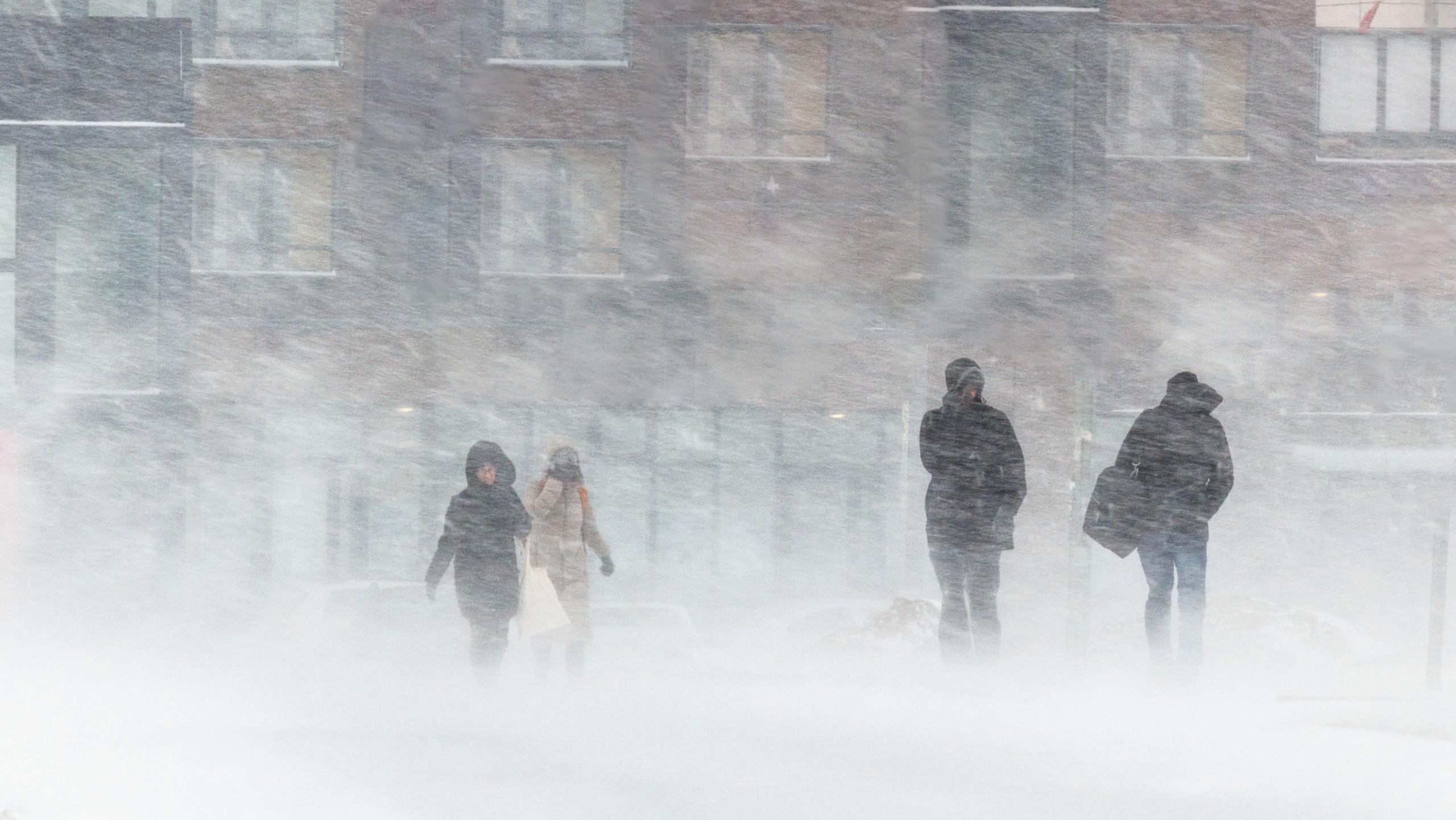
Winter Storm Ferncaused over 40 reported deaths across 13 states and 380,000 people to lose power. There were also widespread infrastructure impacts (roads, airports, water systems). Read more. |
Forecasted Risks for Next Week
A developing Nor’easter (Winter Storm Gianna) is expected to hit the Carolinas to New England this weekend leading to significant snowfall, strong winds, coastal flooding, and hazardous travel. You can learn how to prepare for winter freezes here.
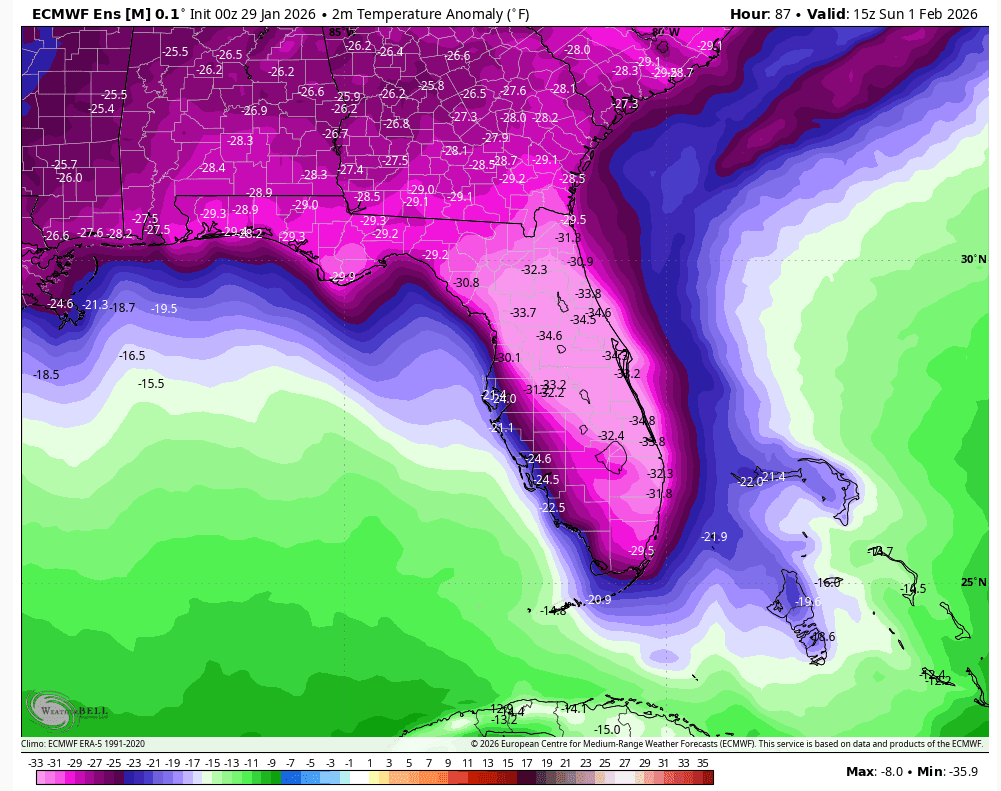
Record cold temperatures are expected in Florida this weekend. It is the strongest cold front since 2010. Temperatures in the teens in the Panhandle and 30s in South Florida including Miami.
Dangerous 19-foot sneaker waves and rip currents affecting the Pacific coast through Monday.
Disasters in the Headlines
Why Power Outages Do More Economic Damage Than We Think
Kristi Noem treated FEMA as an adversary. Then came a massive winter storm
America’s disaster costs are soaring —taxpayers can’t keep paying
The Hill
What 2025’s Costliest Disasters Mean for U.S. Real Estate, Insurance, and Public Infrastructure
The Epicenter
PRO PERSPECTIVE
You Can’t Just Leave: Why Disaster Recovery Is Not One-Size-Fits-All
When disasters strike, the hardest part for many workers is not the storm itself. It is everything that comes after. Missed paychecks. Spoiled food. Housing instability. And no clear path to help.
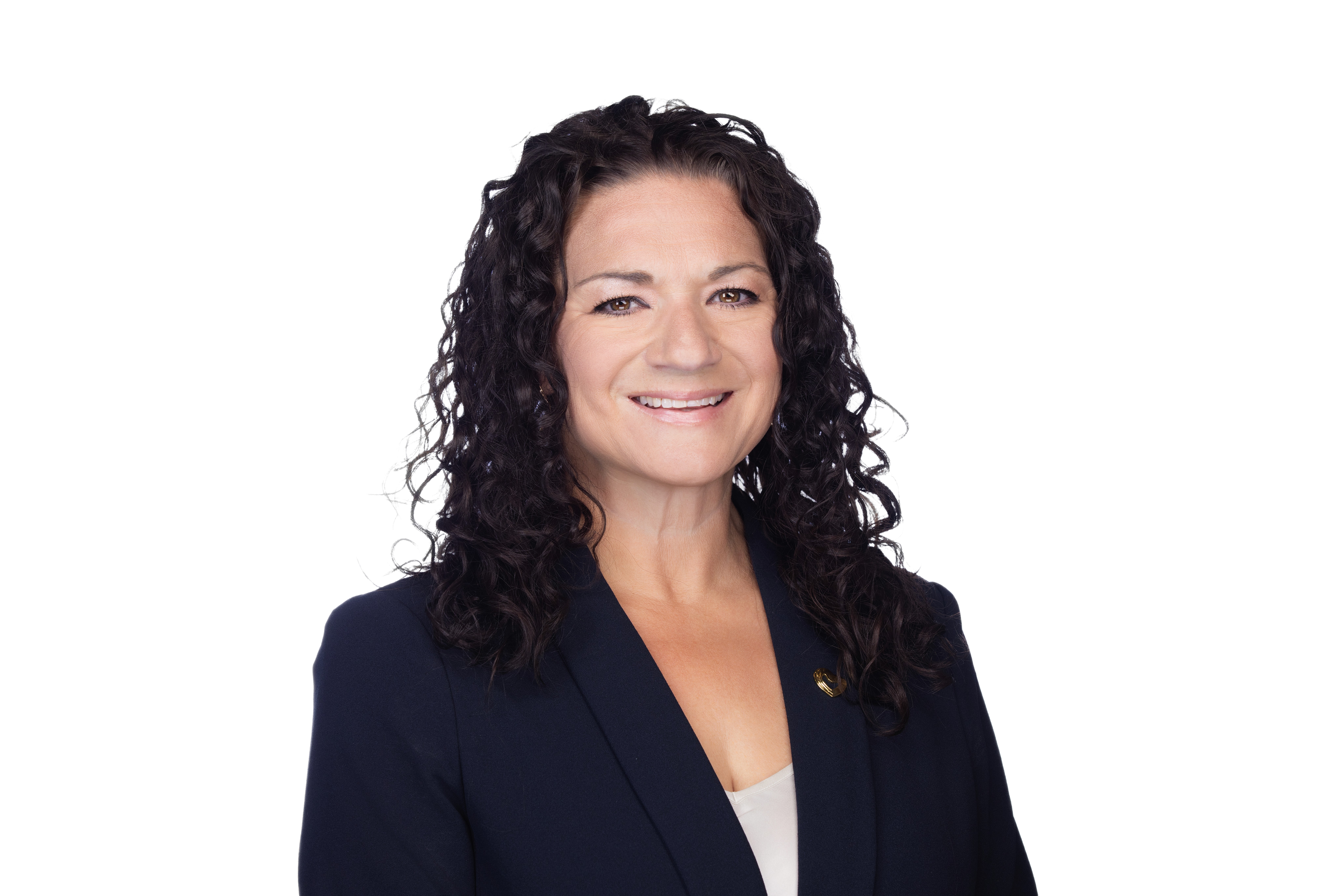
For Kristen Deladurantaye, Executive Director of KBP Cares, that reality is front and center. KBP Cares supports employees across more than 1,000 quick service restaurant locations nationwide, many of whom live paycheck to paycheck and face steep barriers to recovery after a crisis.
We spoke with Deladurantaye about what she has learned supporting employees through hurricanes, housing instability, and everyday emergencies, and what other employers and recovery professionals often miss.
Disaster responses starts with reality, not assumptions
One of the biggest lessons Deladurantaye has learned is simple. Never assume people can just evacuate. “Evacuation requires a car, gas, money, and a place to go,” she says. “Not everyone has those options.”
Early in her work, Deladurantaye says she had to unlearn the instinct to ask why someone did not leave sooner. “That question comes from a place of privilege,” she says. “It does not reflect the reality many of our employees live in.”
That awareness shapes how KBP Cares responds to disasters. When hurricanes hit states like Florida, the team moves quickly to understand where employees are, what they have lost, and what they need at that moment.
“Sometimes it is about food that spoiled when the power went out,” Deladurantaye says. “Other times it is housing, transportation, or just getting cash into someone’s hands quickly.”
Speed matters, but access matters more
KBP Cares programs are designed for frontline workers who may not have laptops, flexible schedules, or reliable internet access.
“Our applications have to work on phones,” Deladurantaye says. “And our team cannot tell people their crisis only matters between nine and five.”
During large disasters, the team shortens its application process to focus on immediate needs rather than documentation.
“Help that shows up weeks later is often too late,” she says.
Small interventions can prevent much bigger crises
Over time, KBP Cares has expanded beyond one-time emergency grants to address recurring challenges, especially housing instability. One of the organization’s most impactful programs helps employees cover first month’s rent and security deposits, then partially subsidizes rent for several months while encouraging savings. “Housing stability changes everything,” Deladurantaye says. “We have had employees tell us it is the first time they have ever had a savings account.”
The organization has also learned that prevention matters.
“If we can stop an eviction with one payment, that is better for everyone,” she says. “Once someone loses housing, the recovery becomes much harder.”
The biggest mistake recovery leaders make
If Deladurantaye could change one thing about how disaster recovery is approached, it would be the assumptions. “People are in survival mode,” she says. “They cannot always tell you what they need.”
Asking open ended questions is not always enough. Sometimes support professionals need to name the needs directly.
“Food. Diapers. Transportation. A hotel room,” Deladurantaye says. “Once you say it out loud, people realize what would actually help.”
The bottom line
Disasters hit hardest where resources are already thin. Effective recovery is not about complex systems or perfect plans. It is about meeting people where they are, responding quickly, and treating basic needs as urgent.
“If we cannot help,” Deladurantaye says, “there is probably someone else who can. Our job is to find them and connect the dots.”
Active Federal Major Disasters
There is usually a 60 day window to apply for help after a disaster is declared. The following disasters are still actively taking applications from survivors for financial support.
The following disasters are actively taking applications from survivors for financial support. To apply, survivors can visit DisasterAssistance.gov or call the FEMA Helpline at 1-800‑621‑3362.
Washington - Flooding (State Assistance)Information: Those whose homes were damaged by December's historic flooding should apply for in state assistance for their immediate needs. Impacted individuals should visit SAHelp.org and enter their zip code to start the process. AFFECTED COUNTIES King, Snohomish, Skagit, Whatcom |
Alaska - Severe Storms, Flooding, and Remnants of Typhoon HalongSTATUS Major Disaster declared October 22, 2025; IA applications accepted in eligible counties until February 20, 2026. AFFECTED COUNTIES Lower Kuskokwim Regional Educational Attendance Area, Lower Yukon Regional Educational Attendance Area, Northwest Arctic |
North Carolina - Flooding and Storm Damage from Tropical Storm ChantalSTATUS SBA disaster declaration approved July 26, 2025; applications open for residents and businesses in eight NC counties. The deadline to return economic injury applications is April 27, 2026. APPLY NOW AFFECTED COUNTIES Alamance, Caswell, Chatham, Durham, Granville, Orange, Person, Wake Counties |
Sign up for This Week in Disasters here.
Did you know we're hiring? Check out our open roles below.