Are you a disaster survivor looking for help? Click here
This Week in Disasters
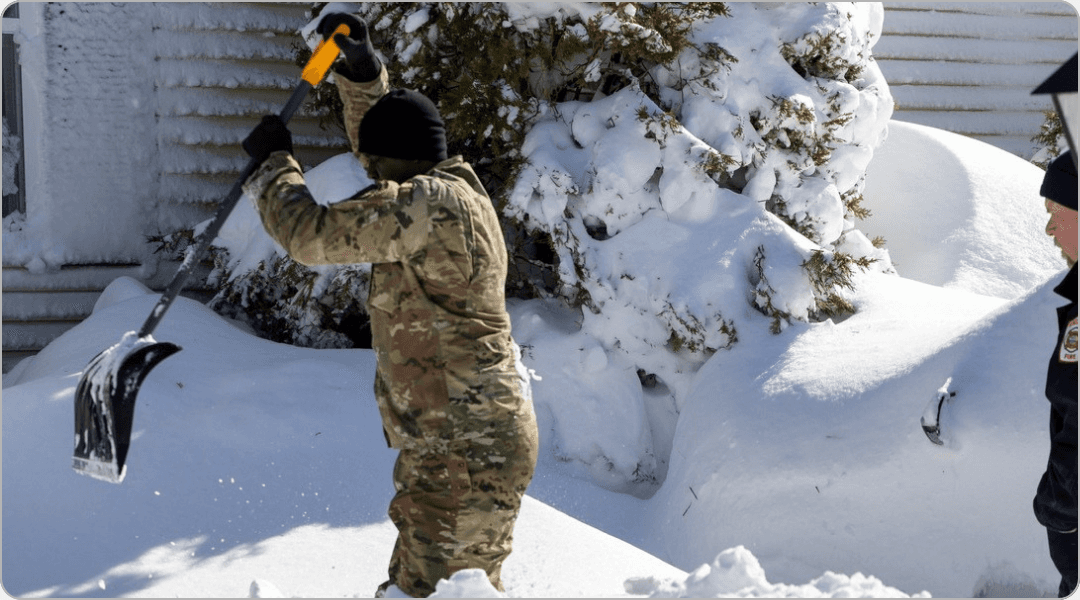
Massachusetts National Guard assisting with snow removal. Source: Massachusetts National Guard
Plus, a love letter to chief executives and politicians
Welcome back to This Week in Disasters! This newsletter combines expert perspectives with a weekly roundup of upcoming threats, recent natural disasters, and available survivor assistance. If you’re an HR, Risk, Insurance, Employee Assistance, or Emergency Management professional (or you’re just really curious about disasters in the United States!) you’re in the right place.
Major Disasters of the Last Week
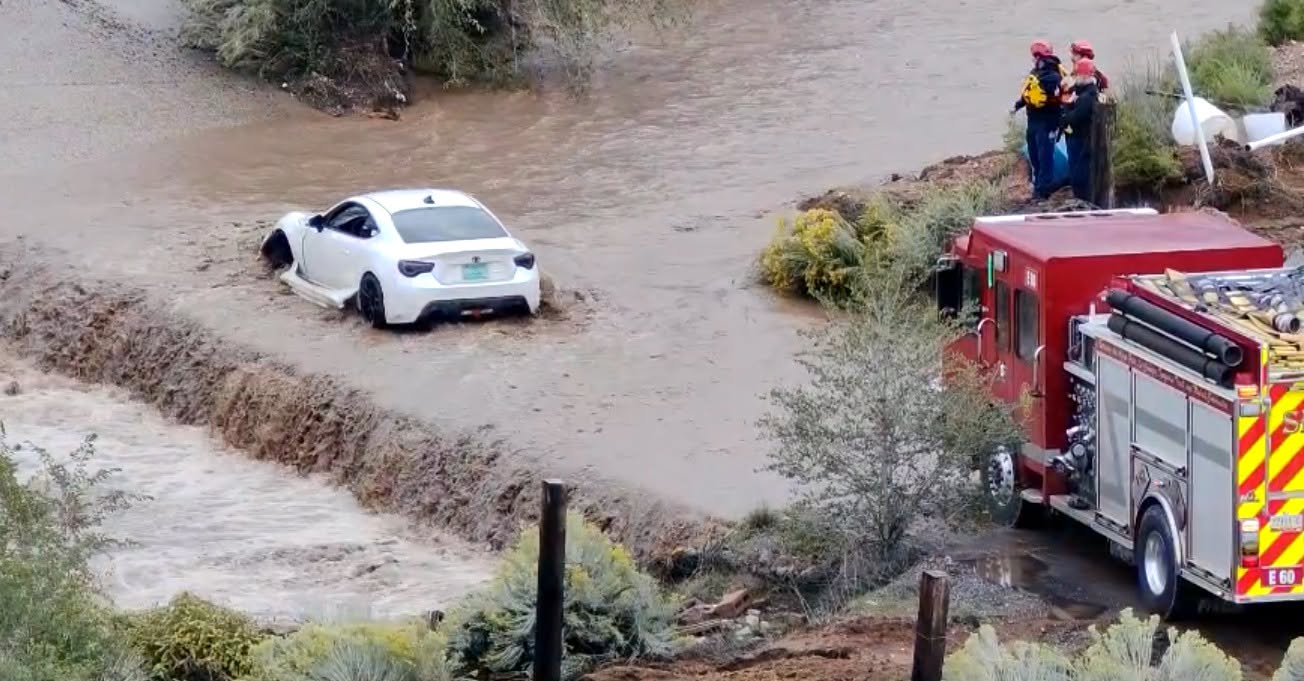
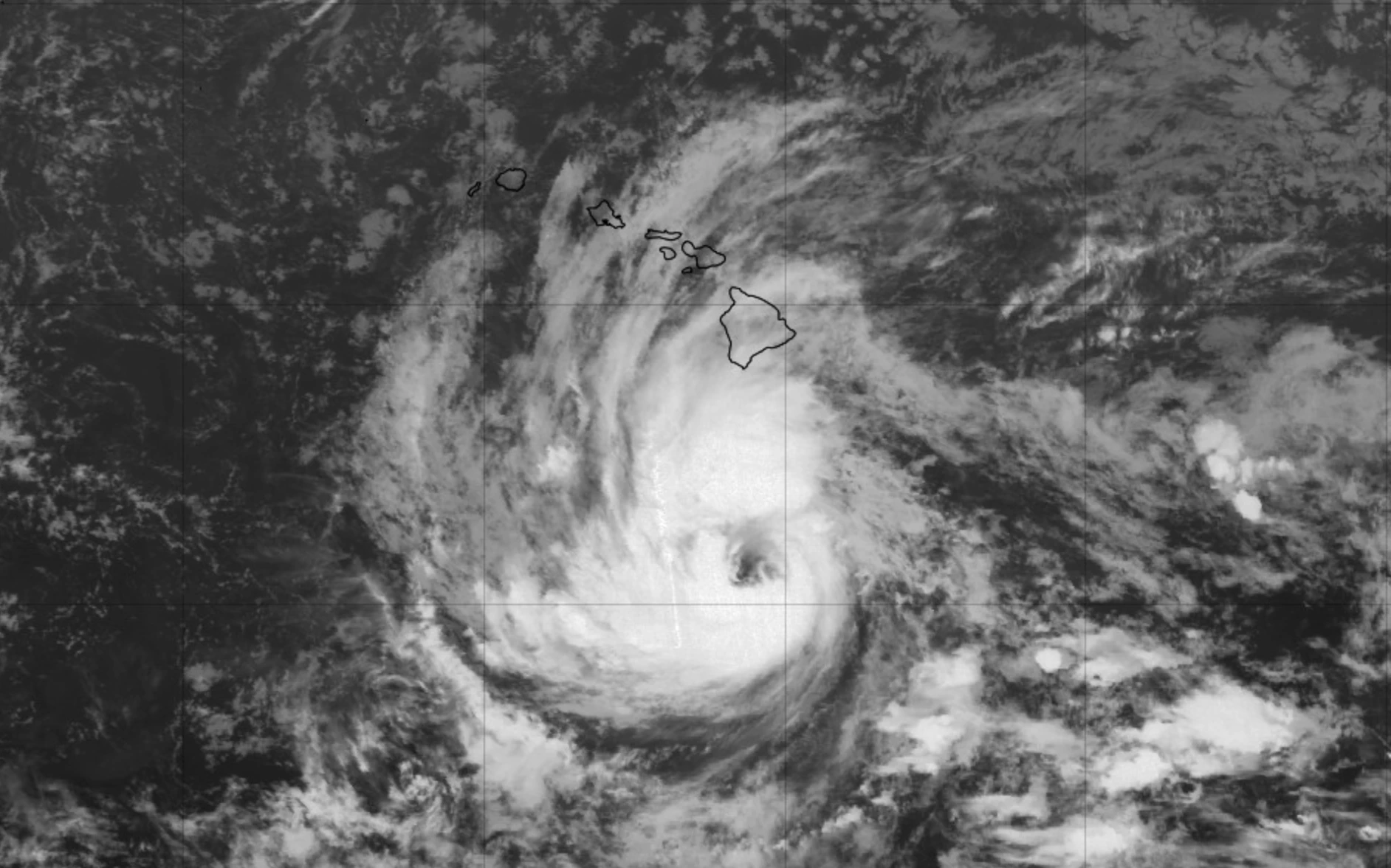
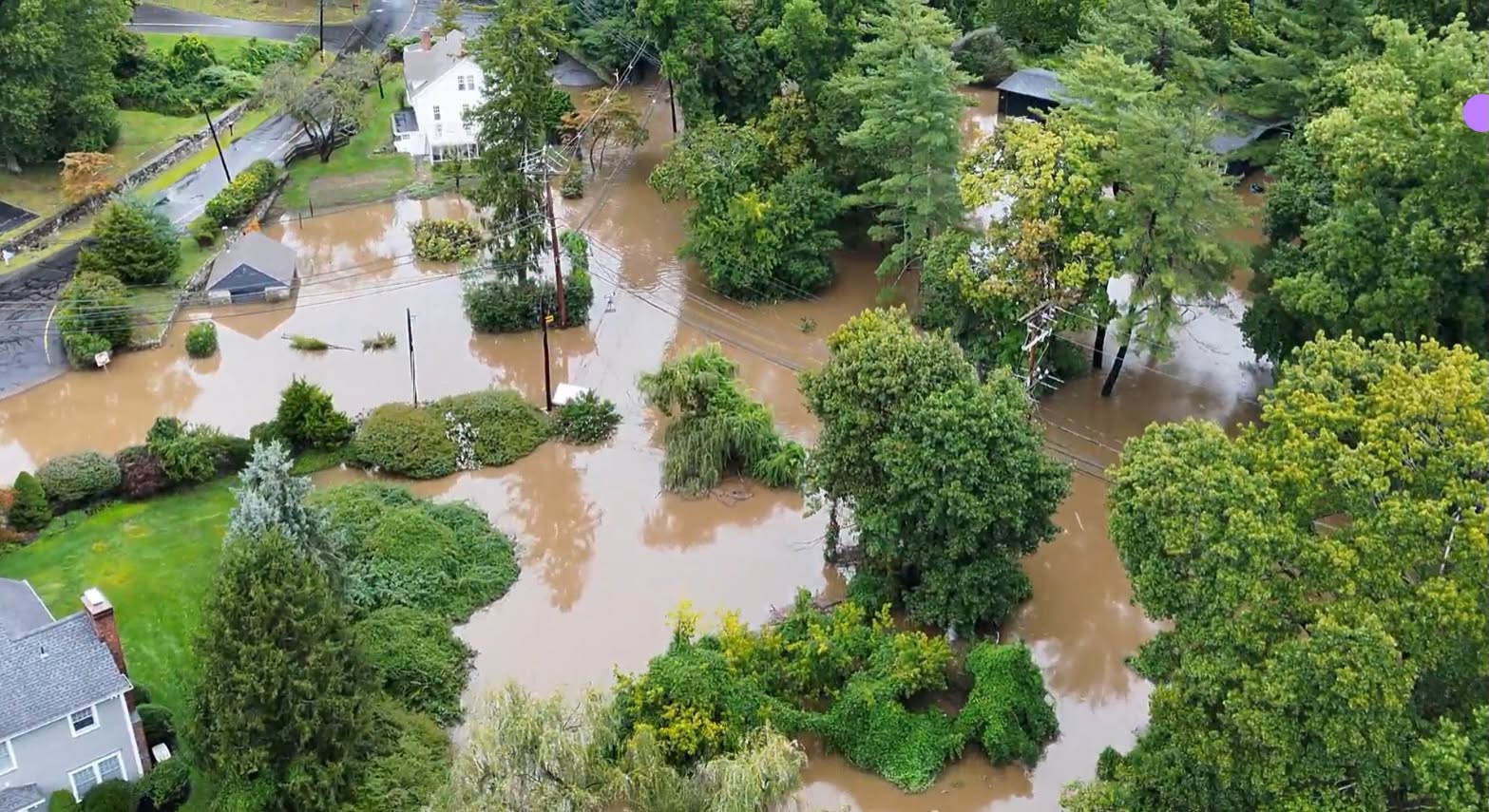
Heavy rains in Oahu and Kauailed to flash flooding in the area. Rivers overflowed and some businesses and homes were damaged. Read more. |
Winter Storm Hernandodropped multiple feet of snow in the Northeast. Seven states made emergency declarations, tens of thousands of flights were cancelled, and hundreds of thousands of people lost power. Read more. |
The National Fire in the Florida Evergladeshas spread to over 25,000 acres. The smoke from the fire has led to road closures and traffic delays. Read more. |
Forecasted Risks for Next Week
There’s more snow heading into the Northeast, but it is not as intense as a major winter storm.
Severe storms and tornadoes are likely to appear in more than one occurrence in the mid-deep south starting the middle of next week into mid-March.
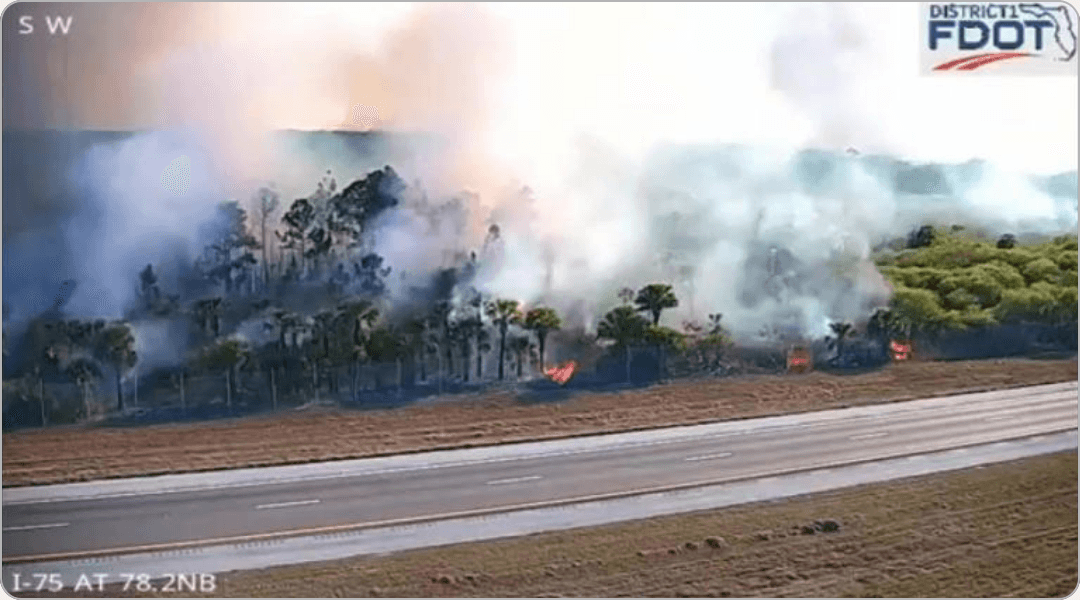
The National Fire. Source: Florida Department of Transportation
Disasters in the Headlines
Hurricane Melissa upgraded to 190-mph winds, tied for strongest Atlantic hurricane
A Post-Katrina Law Guards FEMA Resources. Why Hasn’t It Stopped Noem?
Across the country, architects, designers, and organizers deliver affordable housing in response to
The Architect's Newspaper
PRO PERSPECTIVE
A Love Letter to Politicians and Chief Executives.

Dear Leader,
Every crisis is different.
Some last a few hours and are relatively contained, resulting in minimal impact. Others last days, weeks, or years, requiring sophisticated governance, policy, and leadership systems to recover.
The former briefly disrupts operations, bruising production and reputations.
The latter can obliterate organizations, tarnish brand reputations, and erode public trust.
But every leader has the opportunity, right now, to prepare and mitigate against future crises. There are tested systems and processes that organizations can put in place, and career professionals to add to the team, that can help prepare, respond, recover, and rebuild.
All it takes is a commitment to prioritize and invest in risk management. And the commitment starts at the top.
The Paradox – When Success is Invisible
Governments call it emergency management or disaster management. The private sector refers to it as crisis management, risk management, or business continuity.
In all cases, when disaster strikes, if the systems and processes are executed well, it appears as if nothing has happened. But when things go wrong, it is unequivocally a failure of leadership.
Emergency management practitioners call this the Preparedness Insurance Paradox, where success is invisible, but failure is unforgettable.
And in almost all cases, failure is career-ending.
A Career Defining Opportunity
For politicians and executives, disasters can become defining moments in their careers, reshaping or ending them entirely. However, the event itself is rarely what turns a crisis into a reputational, political, or operational tragedy.
It is the observed difference between what should have been done and what was done.
When organizations and communities do not prioritize preparedness, the result is an overwhelmed, ineffective response. Staffing shortages turn into operational paralysis and stalled impact. And when outdated policies and systems fail, in real time, leadership is scrutinized by shareholders, customers, voters, and the public via social media platforms.
Here’s the hard truth: In a crisis, no one evaluates a leader’s long-term strategic vision.
They are evaluating visible competence to perform under pressure.
And the degree to which you’ve trained, prepared, and invested for that moment will be on display for all to see.
Expectations
In the United States, societal expectations about organizational and community preparedness are at odds with reality. While technology and social media have trained us to expect information 24/7, and customer service can be accessed through mobile applications to solve problems instantly, current investments in systems, infrastructure, and preparedness hover somewhere near minimal or non-existent.
In fact, these investments are often seen as a “check in the box” activity. Which is a missed opportunity and a failed investment in your future as a leader.
As strategic goals and investments are prioritized across the C-suite, what’s often overlooked is this simple fact: Investors, shareholders, residents, voters, and employees expect leadership to invest in organizational and community preparedness.
How do we know these expectations exist?
When things go wrong, people demand swift and accurate answers from leadership about why risks were not anticipated, why the organization or government was not ready, who was responsible, and who should be held accountable. If directly impacted, they expect assistance through employee assistance programs, community services (e.g., temporary housing or food), or donations after the event, to help them get back on their feet.
Those questions, demands, and requirements directly reflect their expectations.
Are you prepared to meet, or exceed, those expectations?
What Can You Do
Investing in disaster and emergency management won’t get you a standing ovation. It will not inspire fundraising spikes or higher earnings. And it will not make for a compelling campaign slogan.
But it does function as leadership insurance, whether that’s political, organizational, or reputational. And it protects leadership legitimacy when conditions are at their worst.
Organizational and community preparedness starts with hiring trained emergency and disaster management experts who can build and maintain high-functioning programs.
These practitioners serve as every executive’s chief risk advisor and are trained to ensure readiness. They have spent their careers evaluating risks, hazards, vulnerabilities, at-risk populations, supply chains, and technology solutions for disaster management. And they are skilled and adept at leading complex teams through the response and recovery process.
On your team, they are the Swiss Army Knife—coordinating, planning, and guiding risk and consequence management efforts—giving you the space and time that’s needed to lead your organization when they need it most.
As politicians and chief executives, your first action item is to ensure your emergency manager is on speed dial.
Next, call them and ask what else they need to prepare for and mitigate future crises.
Fulfilling that list might just save your career one day.
With love,
Carrie Speranza, CEM
Someone You Know Needs This. SBA Disaster Loans Are Open in 25 States.
Across 25 states, SBA disaster loan deadlines are still months away, some as late as November 2026. But most survivors don't know they qualify. If you work with or know anyone affected by a disaster in the past year, this list is worth passing along. A few seconds of sharing could mean thousands of dollars for someone still trying to recover.
Find the SBA Disaster Declarations here
Active Federal Major Disasters
There is usually a 60 day window to apply for help after a disaster is declared. The following disasters are still actively taking applications from survivors for financial support.
The following disasters are actively taking applications from survivors for financial support. To apply, survivors can visit DisasterAssistance.gov or call the FEMA Helpline at 1-800‑621‑3362.
Washington - Flooding (State Assistance)Information: Those whose homes were damaged by December's historic flooding should apply for in state assistance for their immediate needs. Impacted individuals should visit SAHelp.org and enter their zip code to start the process. AFFECTED COUNTIES King, Snohomish, Skagit, Whatcom |
Alaska - Severe Storms, Flooding, and Remnants of Typhoon HalongSTATUS Major Disaster declared October 22, 2025; IA applications accepted in eligible counties until April 3, 2026. AFFECTED COUNTIES Lower Kuskokwim Regional Educational Attendance Area, Lower Yukon Regional Educational Attendance Area, Northwest Arctic |
North Carolina - Flooding and Storm Damage from Tropical Storm ChantalSTATUS SBA disaster declaration approved July 26, 2025; applications open for residents and businesses in eight NC counties. The deadline to return economic injury applications is April 27, 2026. APPLY NOW AFFECTED COUNTIES Alamance, Caswell, Chatham, Durham, Granville, Orange, Person, Wake Counties |
Sign up for This Week in Disasters here.
Did you know we're hiring? Check out our open roles below.