Are you a disaster survivor looking for help? Click here
This Week in Disasters
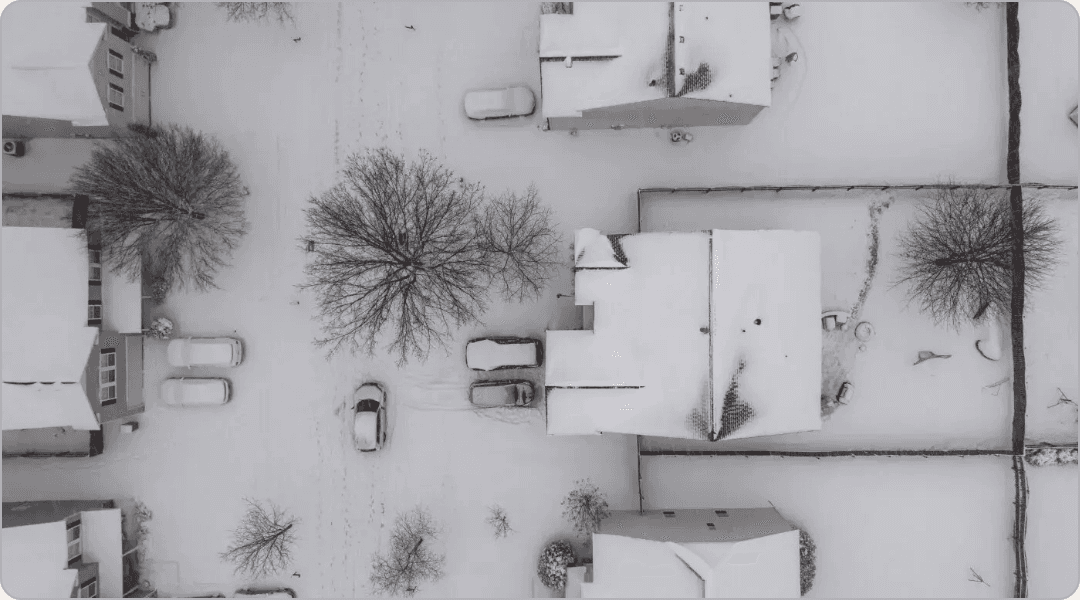
Snowfall in South Carolina. Source: Alamy
Plus, why winters storms usually do not need a federal disaster response (but sometimes they do)
Welcome back to This Week in Disasters! This newsletter combines expert perspectives with a weekly roundup of upcoming threats, recent natural disasters, and available survivor assistance. If you’re an HR, Risk, Insurance, Employee Assistance, or Emergency Management professional (or you’re just really curious about disasters in the United States!) you’re in the right place.
Major Disasters of the Last Week
Winter Storm Giannabrought an intense nor’easter to the southeast with heavy snow, strong winds, and coastal flooding. Read more. |
Two tornadoestouched down in Liberty County, Texas causing some damaged trees and power lines. Read more. |
Florida experienced some flurries and several record-breaking low temperaturesas far south as Miami. Read more. |
Forecasted Risks for Next Week
Florida is heading into February with one of its worst droughts on record. Forecasts signal continued extreme dryness into March. The state could see an unusually early and severe brush/wildfire season unless meaningful rain arrives soon.
The Northeast will endure the coldest weekend of the winter so far with Arctic air driving dangerously low temperatures, gusty winds, snow and rapid freeze-up that could disrupt travel and outdoor activities.
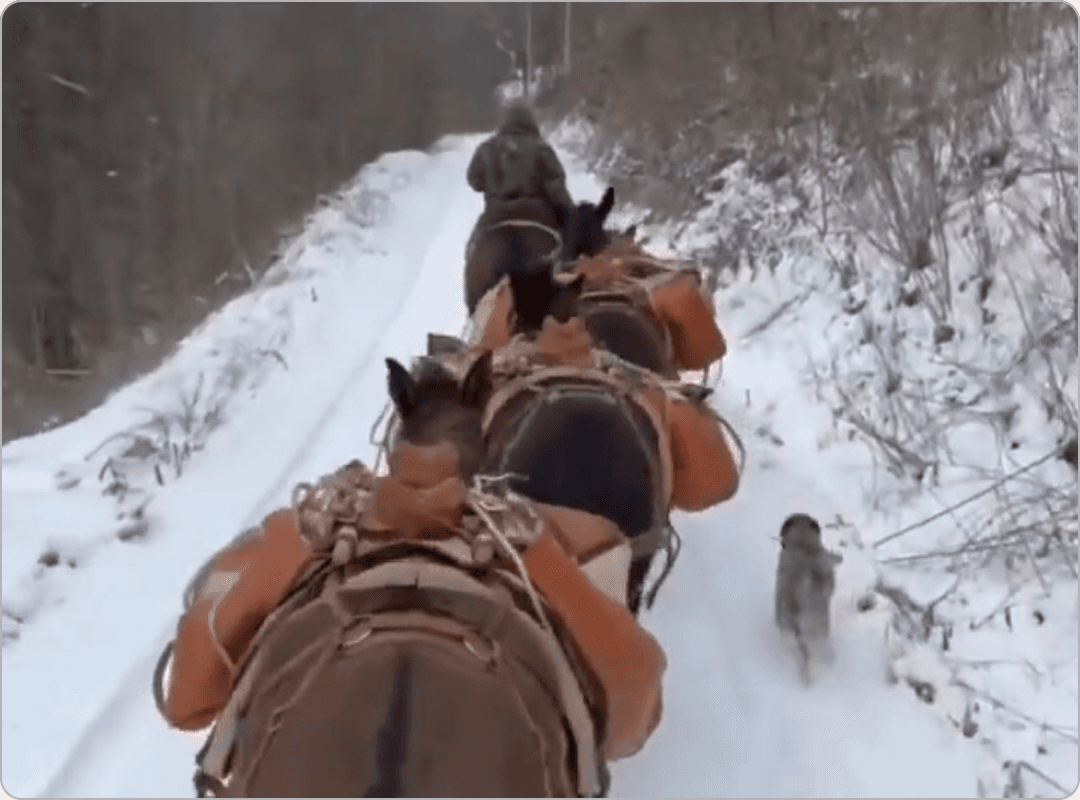
Mules deployed in West Virginia to bring emergency supplies and medical help to remote winter weather victims. Source: Mission Mules
Disasters in the Headlines
We Survived Natural Disasters. FEMA Left Us Behind | Opinion
Disaster management after FEMA: A National Guard for natural disasters
America’s disaster costs are soaring —taxpayers can’t keep paying
The Hill
Stronger Together: The Role of Community Resilience Hubs in Disasters
Domestic Preparedness
See it: Mules deliver essential supplies to West Virginia communities paralyzed by snow
Fox Weather
PRO PERSPECTIVE
“No Dough for Snow” and Why It Matters

In emergency management, few phrases are as widely recognized as “No dough for snow.” It is often repeated, frequently misunderstood, and still highly relevant.
As President of Bright Harbor and Former FEMA Administrator, Pete Gaynor, explains, the phrase reflects a foundational principle of federal disaster response. “Federal disaster dollars are generally not meant to pay for routine winter weather,” he says.
In many parts of the country, snow is expected. The costs associated with it, including plowing, salting, sanding, and overtime, are considered normal operating responsibilities. “Those are the kinds of expenses communities plan and budget for every year,” Gaynor notes. “They are not usually disaster-level costs.”
That distinction is intentional. FEMA programs like Public Assistance are designed to support communities facing extraordinary events, not seasonal conditions. “FEMA is there when local and state capacity is exceeded,” Gaynor says. “It is not meant to replace preparedness, planning, or routine operations.”
Still, the phrase “No dough for snow” is not an absolute rule.
“There are times when winter weather crosses a line,” Gaynor explains. “When it is truly atypical for a region, when it overwhelms response capacity, and when it creates serious life-safety or critical infrastructure impacts, it becomes something different.”
He points to Texas during Winter Storm Uri in 2021 as a clear example. “That event was not just about snow or ice,” he says. “It triggered cascading failures across power systems, water infrastructure, and other essential services. In that context, it was a true emergency.”
The broader lesson, Gaynor emphasizes, is about protecting the integrity of federal disaster assistance. “The phrase was never meant to be dismissive,” he says. “It exists to make sure FEMA remains a backstop for extraordinary events, not a funding source for routine winter operations.”
And yet, context always matters.
“Sometimes snow is just snow,” Gaynor says. “And sometimes, it is an emergency.”
You can find a list of local and state resources for those affected by Winter Storm Fern here.
Active Federal Major Disasters
There is usually a 60 day window to apply for help after a disaster is declared. The following disasters are still actively taking applications from survivors for financial support.
The following disasters are actively taking applications from survivors for financial support. To apply, survivors can visit DisasterAssistance.gov or call the FEMA Helpline at 1-800‑621‑3362.
Washington - Flooding (State Assistance)Information: Those whose homes were damaged by December's historic flooding should apply for in state assistance for their immediate needs. Impacted individuals should visit SAHelp.org and enter their zip code to start the process. AFFECTED COUNTIES King, Snohomish, Skagit, Whatcom |
Alaska - Severe Storms, Flooding, and Remnants of Typhoon HalongSTATUS Major Disaster declared October 22, 2025; IA applications accepted in eligible counties until February 20, 2026. AFFECTED COUNTIES Lower Kuskokwim Regional Educational Attendance Area, Lower Yukon Regional Educational Attendance Area, Northwest Arctic |
North Carolina - Flooding and Storm Damage from Tropical Storm ChantalSTATUS SBA disaster declaration approved July 26, 2025; applications open for residents and businesses in eight NC counties. The deadline to return economic injury applications is April 27, 2026. APPLY NOW AFFECTED COUNTIES Alamance, Caswell, Chatham, Durham, Granville, Orange, Person, Wake Counties |
Sign up for This Week in Disasters here.
Did you know we're hiring? Check out our open roles below.