Are you a disaster survivor looking for help? Click here
This Week in Disasters
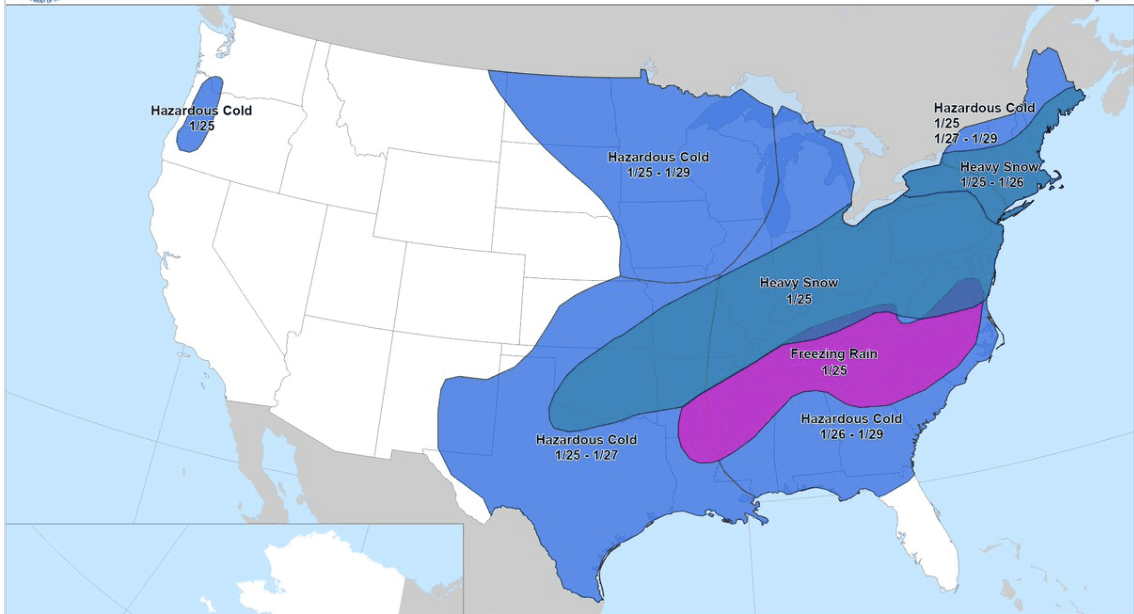
Photo: NWS
Plus, the true meaning of "resilience"
Welcome back to This Week in Disasters! This newsletter combines expert perspectives with a weekly roundup of upcoming threats, recent natural disasters, and available survivor assistance. If you’re an HR, Risk, Insurance, Employee Assistance, or Emergency Management professional (or you’re just really curious about disasters in the United States!) you’re in the right place.
Major Disasters of the Last Week
Extreme droughtin the southern half of the Mississippi river basin. Read more... |
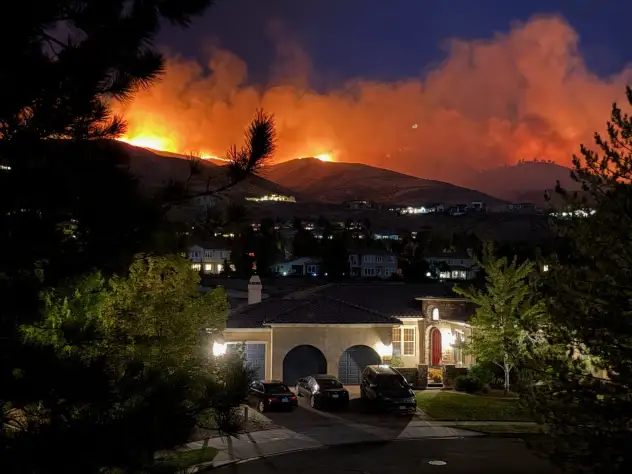
Buffalo experienced a rare thundersnow(a thunderstorm during snowfall) on Wednesday amidst a snow squall. Read more... |
Forecasted Risks for Next Week
A major winter storm will bring heavy snow and a wintry mix to millions across the Northeast, Mid-Atlantic, and Ohio Valley regions. Around 170 million people are under alerts for snow, sleet, or freezing rain.
A flash flood warning in effect in Guam as more rain is expected over the next several days.
Winter Storms: Lessons Learned and How to Prepare
ArkLaTex agencies prepare for weekend winter weather after lessons from 2021 freeze
How to Prepare for Upcoming Winter Freezes
Disasters in the Headlines
Insurers Brace for Systemic Losses as Winter Storm Hits the US
One of the biggest storms in years is near. What to expect in your area.
FEMA halts terminations of disaster workers as agency prepares for massive winter storm
CNN
A California Climate Expert Is Working to Restore Climate Risk Scores Deleted by Zillow
Inside Climate News
DHS spending bill bolsters staffing at CISA, FEMA, Secret Service
Federal News Network
PRO PERSPECTIVE
What "Resilience" Really Means
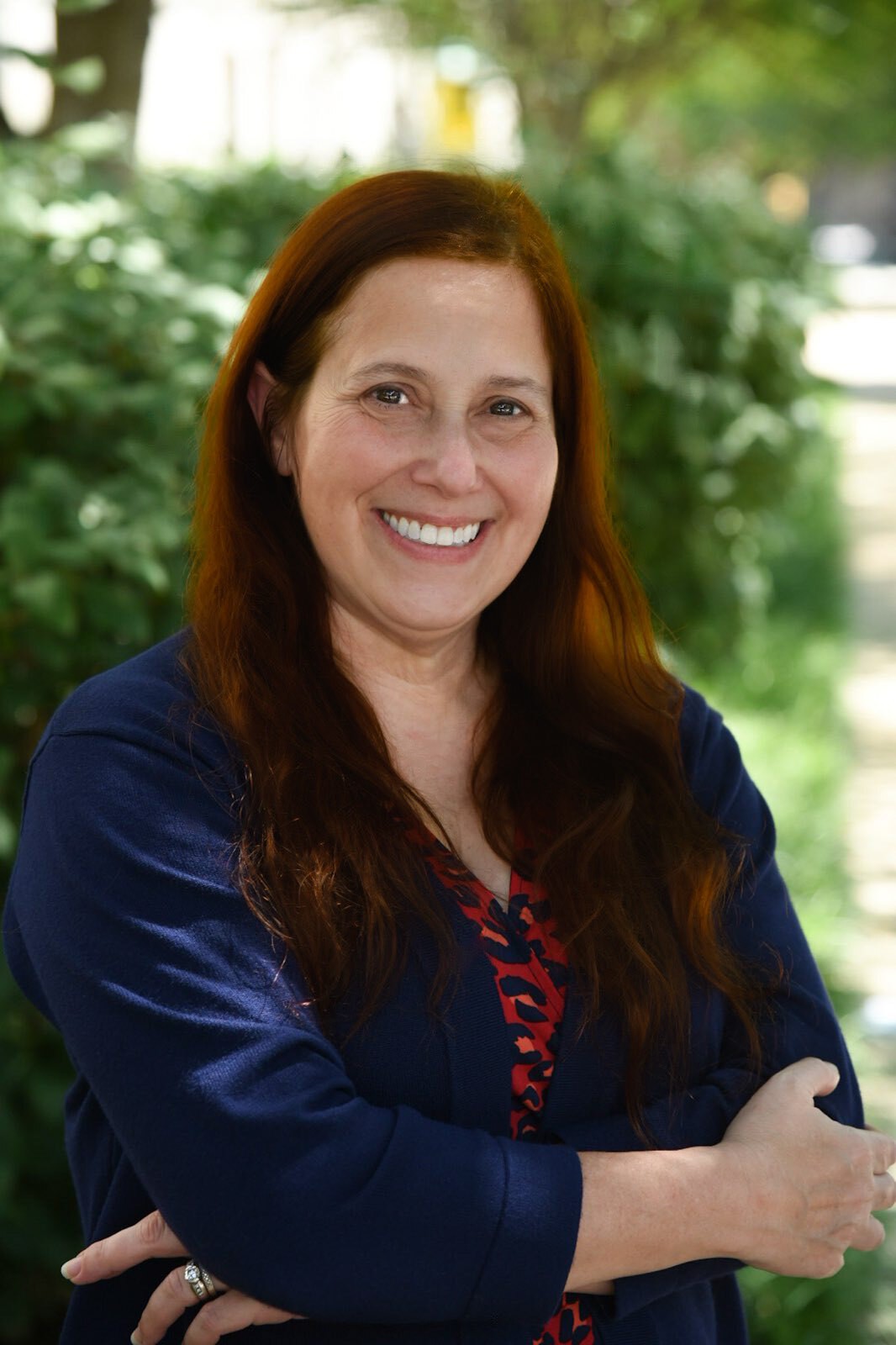
“Resilience” shows up everywhere in disaster conversations, but in practice it is often misunderstood or oversimplified. Disaster Recovery and Resilience expert, Rafaela Monchek, resilience is not a slogan or a buzzword that is thrown around. It is about realistic preparation, local decision-making, and investing in what actually reduces harm.
“Resilience is our ability to withstand or rapidly recover from the next event,” Monchek said.
Where resilience becomes misleading, she explained, is when it is disconnected from real risk. After disasters, communities are often flooded with advice and products that promise protection but do not match local hazards. “They might be trying to sell you products that have nothing to do with what your potential risk is,” she said. “It’s important for people to understand what their risks are so they know what they should be investing in.”
That disconnect is why Monchek believes resilience must be driven at the most local level possible. Communities that understand their own risks are better positioned to make meaningful investments and avoid one-size-fits-all approaches. “The people that have to drive this train are the most local level you can get,” she said. “They are the ones who live this every day.”
In her career, there is one clear example that comes to mind about what successful resilience can achieve. Monchek worked in Mississippi following Hurricane Katrina, when entire stretches of the Gulf Coast were effectively erased. Years later, she returned after another hurricane passed through the same region.
“We were eating in a restaurant literally across the street from the beach two weeks after a hurricane came through,” she recalled. “The mitigation efforts they had undertaken were so well done that the damage was minimal.”
That experience reinforced for her that resilience, when done correctly, produces tangible results. Communities reopen faster, disruption is reduced, and recovery does not start from zero each time.
Still, Monchek cautioned that access to resilience remains deeply uneven. The communities most vulnerable to disasters are often the least able to invest in preparedness, leading to repeated losses and prolonged recovery. She emphasized that the future of resilience must take in account all communities.
Despite those challenges, she is optimistic about where resilience efforts are headed. As disasters become more frequent and more visible, preparedness is increasingly seen as a practical necessity rather than a political issue.
“The reality is we know disasters are happening, and we know they are getting worse,” she said. “More and more people have been impacted, and they are more open to the idea of what they can do to make sure they never have to go through that again.”
That same mindset of knowing disasters are happening applies to upcoming threats like the winter storm coming this weekend. For Monchek. Resilience at this scale starts with basic preparedness and respect for local guidance.
“The number one thing, no matter what the disaster is, is to follow the guidance of your local officials,” she said. “If they tell you to stay home, stay home.” She also mentioned having basic supplies (food, water, flashlights) on hand.
Preparation, she emphasized, is not only about protecting yourself. It also helps ensure emergency resources remain available for those who truly need them. “The less work you can cause other people is critical,” she said, “especially our first responders who need to be helping the folks who can’t help themselves.”
Resilience and preparedness in these types of situations ultimately build upward. It starts with individuals being prepared, extends to neighbors helping neighbors, and strengthens communities as a whole.
In that sense, resilience is not an abstract goal or a long-term ideal. It is reflected in everyday decisions, both in how communities rebuild after disasters and how they prepare for the next one.
Active Federal Major Disasters
There is usually a 60 day window to apply for help after a disaster is declared. The following disasters are still actively taking applications from survivors for financial support.
The following disasters are actively taking applications from survivors for financial support. To apply, survivors can visit DisasterAssistance.gov or call the FEMA Helpline at 1-800‑621‑3362.
Washington - Flooding (State Assistance)Information: Those whose homes were damaged by December's historic flooding should apply for in state assistance for their immediate needs. Impacted individuals should visit SAHelp.org and enter their zip code to start the process. AFFECTED COUNTIES King, Snohomish, Skagit, Whatcom |
Alaska - Severe Storms, Flooding, and Remnants of Typhoon HalongSTATUS Major Disaster declared October 22, 2025; IA applications accepted in eligible counties until February 20, 2026. AFFECTED COUNTIES Lower Kuskokwim Regional Educational Attendance Area, Lower Yukon Regional Educational Attendance Area, Northwest Arctic |
North Carolina - Flooding and Storm Damage from Tropical Storm ChantalSTATUS SBA disaster declaration approved July 26, 2025; applications open for residents and businesses in eight NC counties. The deadline to return economic injury applications is April 27, 2026. APPLY NOW AFFECTED COUNTIES Alamance, Caswell, Chatham, Durham, Granville, Orange, Person, Wake Counties |
Sign up for This Week in Disasters here.
Did you know we're hiring? Check out our open roles below.