Are you a disaster survivor looking for help? Click here
Readiness
Prepare
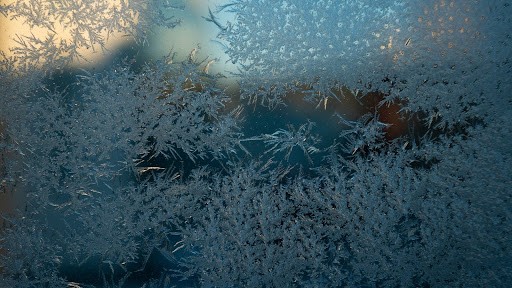
When temperatures plummet and remain there for days, the health risks of an area-wide freeze can multiply. Power outages become more likely, pipes can freeze and burst, and carbon monoxide poisoning can claim lives.
Since 2020, the US has experienced a major polar vortex every winter, in places as far flung as Texas to Maine. They can be especially concerning in traditionally warmer areas where building codes and infrastructure might not be designed for extreme cold, potentially causing even more damage. The good news is that we’re learning from the recent past to help protect ourselves, our families, and our homes during a prolonged deep freeze.
Before the freeze hits
Stock up on essentials before the storm arrives. You need at least a gallon of water per person per day, so have several gallons on hand. You can fill bathtubs and large containers as an emergency backup. Buy non-perishable foods that don't require cooking, just in case the power goes out for enough hours that your perishables start to spoil in a fridge. Stock up on food like canned goods, protein bars, dried fruit, nuts, and peanut butter. Don't forget a manual can opener.
Gather emergency supplies in one central location in your home including: flashlights, batteries, a battery-powered or hand-crank radio, a first aid kit, any necessary medications, and phone chargers. If you have any sort of power bank battery make sure it’s fully charged before a freeze hits.
Protect your pipes
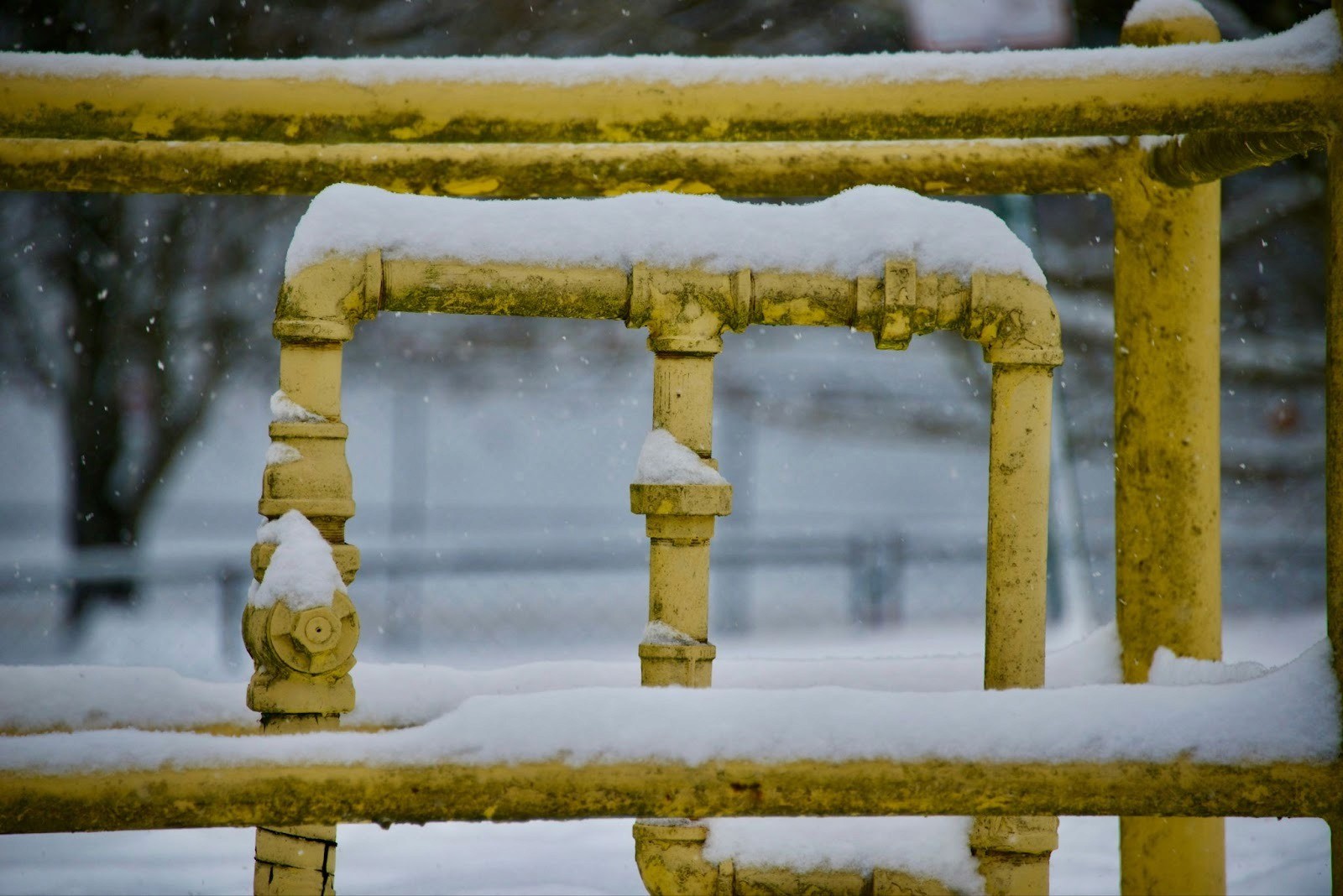
Frozen pipes cause untold damage. Before temperatures drop, disconnect and drain any garden hoses outside, and shut off outdoor spigots if possible. Insulate any exposed pipes in unheated areas like crawl spaces, attics, and garages using foam pipe insulation or heat tape.
During the freeze, let your indoor faucets drip slightly—both hot and cold water spigots, since moving water is less likely to freeze. Open cabinet doors under sinks to allow warm air circulation around pipes as well. Keep your thermostat at the same temperature day and night, even if you're trying to conserve energy. The cost of burst pipes far exceeds any heating savings.
If pipes do freeze, never use open flames to thaw them. Apply heat gradually using a hair dryer, heating pad, or warm towels. Work from the faucet back toward the section that is frozen.
Prepare for possible power outages
Power outages during an ice storm or freeze are common for several reasons. Just half an inch of ice accumulation on power lines can add 500 pounds of weight between power poles, causing them to break. Tree branches coated in ice also frequently snap, falling and breaking power lines and other infrastructure. Electrical equipment can also malfunction in extreme cold, while the power grid demands of everyone heating their homes at once can sometimes trigger blackouts.
Before a freeze hits, plan accordingly for a possible power outage. If you want to comfortably stick out an extended outage, research buying a large capacity power bank from companies like Jackery, EcoFlow, and Anker, or buy a gas-powered generator for emergency backup power that can run heaters and refrigerators.
Additional tips on what to do after an outage:
Stay warm: close off unused rooms and gather everyone in one area to conserve body heat. Dress in layers, as loose-fitting, lightweight clothing traps warm air better than a single heavier layer. Wear a hat even indoors since most heat loss occurs through your head.
Be safe: Place gas generators at least 20 feet from your home, outside and away from windows and doors as exhaust fumes can seep inside and kill within minutes.
Prevent fires: use flashlights instead of candles whenever possible. If you must use candles, never leave them unattended.
Carbon monoxide: the silent killer
Make sure you have battery-operated carbon monoxide detectors on every level of your home, especially near sleeping areas. Test them monthly and replace batteries at least yearly. During winter emergencies, carbon monoxide poisoning becomes increasingly common as people use unsafe heating methods. Never run vehicles inside attached garages, even with the door open. Don't use camping stoves, charcoal grills, or portable flameless chemical heaters indoors. These all produce carbon monoxide.
Symptoms of CO poisoning include headache, dizziness, nausea, confusion, and flu-like symptoms without a fever. If your CO alarm goes off or you suspect poisoning, immediately move outside and call 911. Don't re-enter until emergency responders clear the building.
Heating safety
If you're using a fireplace or wood stove for warmth, ensure that your chimneys are clean and clear. Burn only dry, seasoned wood—never trash, cardboard, or treated lumber. And always keep a fire extinguisher nearby.
Space heaters should be placed on flat, stable surfaces at least three feet from anything flammable. Never leave them running unattended or while sleeping. Plug them directly into outlets, not extension cords, which can overheat.
Stay safe on ice
More people die from falls on ice than from hypothermia during winter storms. Thin layers of ice on any kind of pavement can be nearly invisible and extremely dangerous. Prevent falling injuries by assessing the conditions before you go out, making sure you have appropriate footwear and outerwear while walking carefully. Use handrails on stairs and ramps. Spread sand, salt, or kitty litter on walkways for traction. If you start to slip, try to fall forward or backward rather than sideways to reduce your risk of injury to arms, shoulders, and hips.
Our previous tips on winter driving and being safe on the roads also apply here.
Check in on vulnerable neighbors
Elderly folks, people with disabilities, and those living alone face increased risks during extended freezes, as well as anyone keeping outdoor pets or livestock. Check with your vulnerable neighbors regularly to make sure they’re safe and doing ok, and offer help if needed. A quick call or visit can save lives in your community.
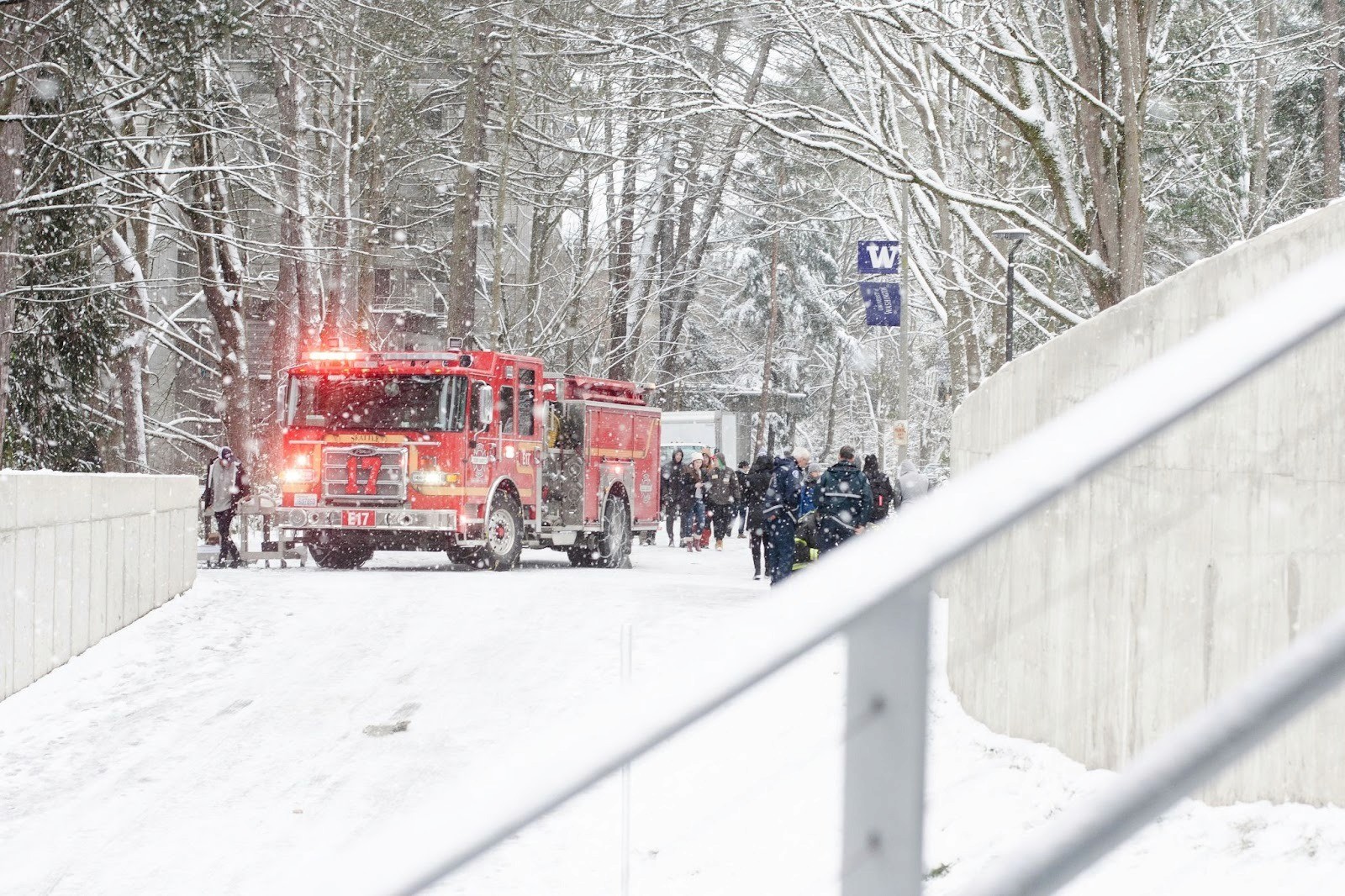
Photo by David Schultz on Unsplash
When to seek help during a freeze
Call 911 if anyone shows signs of hypothermia (shivering, confusion, drowsiness, slurred speech) or frostbite (numbness, white or grayish skin). If you're running low on critical supplies or your situation at home during a freeze becomes unsafe, contact local emergency services and check on the availability of nearby warming centers.
Preparation is your best defense against winter's worst. Taking steps now could save your home, your health, and your life.