This Week in Disasters
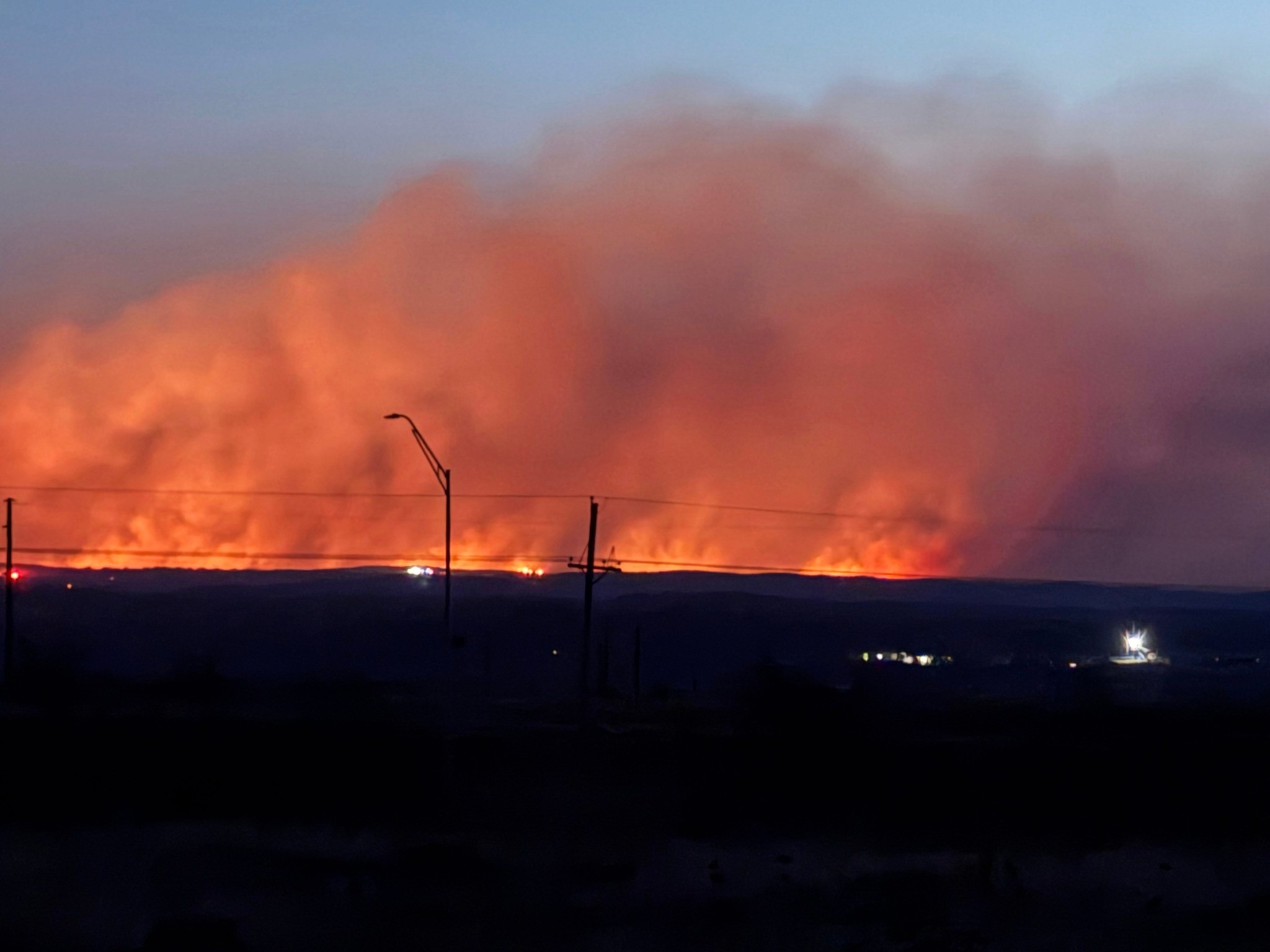
Source: The Yellow Fire. Source: Texas A&M Forest Service
Plus, at hour one: what local emergency managers need to do before the clock starts
Welcome back to This Week in Disasters! This newsletter combines expert perspectives with a weekly roundup of upcoming threats, recent natural disasters, and available survivor assistance. If you’re a Risk, Insurance, Employee Assistance, or Emergency Management professional (or you’re just really curious about disasters in the United States!) you’re in the right place.
Major Disasters of the Last Week
Deadly tornadoesstruck Lake Village, Indiana and Kankakee, Illinois on Tuesday night, killing two people, injuring several others, and leaving over 50,000 without power across the Midwest, with Kankakee also hit by potentially record-breaking 6-inch hailstones. The same storm system is now shifting east, placing over 100 million people under severe weather threat, with risks of damaging winds, isolated tornadoes, large hail, and flash flooding stretching from the Gulf Coast through the Ohio Valley and into the Mid-Atlantic. Read more. |
In the Yellow Fire in the Texas Panhandlehas burned nearly 14,400 acres and is 85% contained. Read more. |
An EF-3 tornado with 160 mph winds struck Union City, Michigan on March 6,killing several people and becoming both the earliest and strongest tornado to hit the state since 1977, in a month when tornadoes are historically rare. Read more. |
Forecasted Risks for Next Week
A major winter storm this weekend will dump heavy snow and bring strong winds and dangerous travel conditions to parts of the upper Midwest and Great Lakes, then will deliver a blast of cold air to much of the East and South.
Another severe weather outbreak is forecast in parts of the South, Midwest and East Sunday into Monday with a threat of widespread damaging winds and a few tornadoes from Texas to the East Coast.
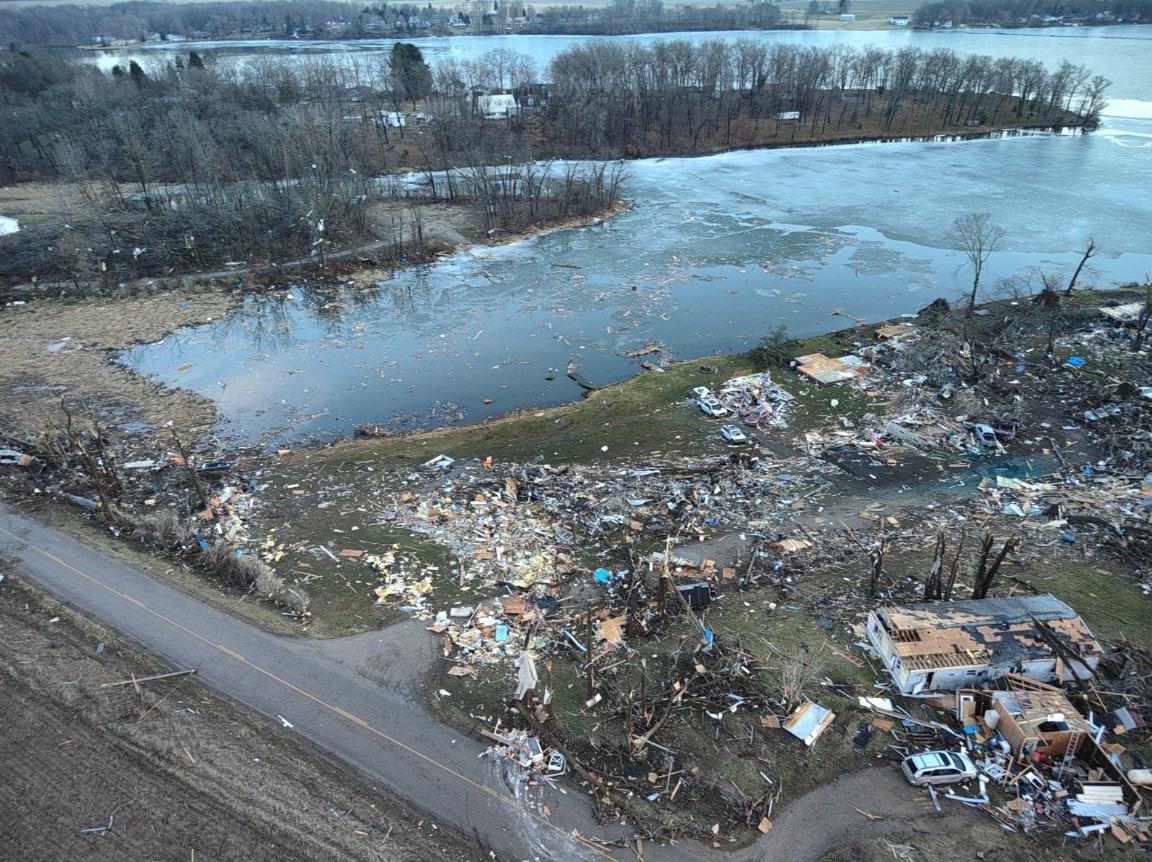
Union City, MI. Source: Michigan Emergency Management & Homeland Security
Disasters in the Headlines
2025 saw relatively fewer natural disasters. Will you get a break on home insurance?
A new disaster recovery algorithm prioritizes fairness in aid delivery
The Economics of Disaster Recovery
Environmental and Urban Economics
PRO PERSPECTIVE
When the Clock Starts: What Actually Happens at the Point of Impact
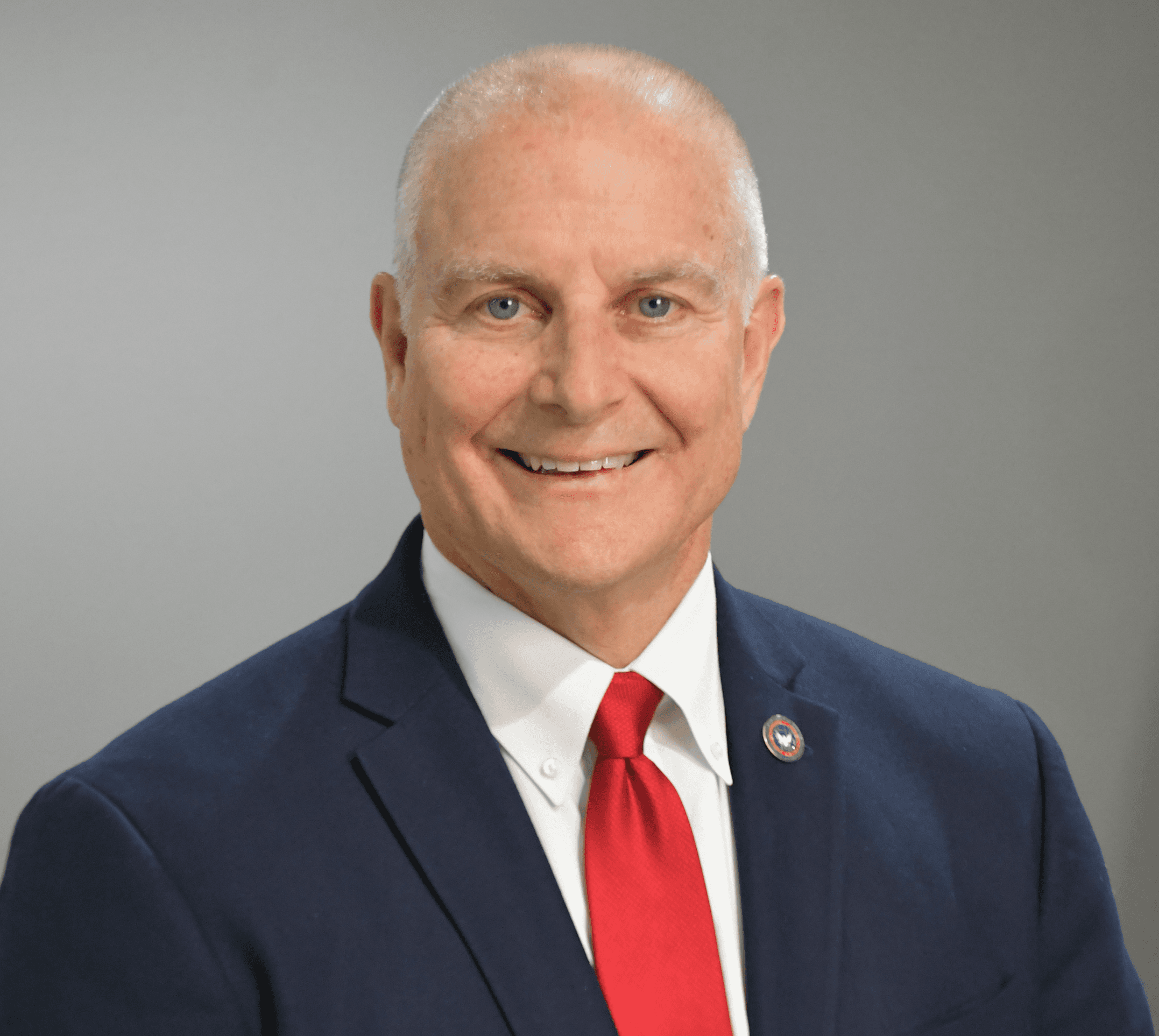
The news cycle around disaster recovery has grown louder, more anxious, and at times, more misleading. Tony Robinson has watched it happen from both sides of the table, and he wants emergency management professionals to hear something clearly: the infrastructure exists. The systems are there. The panic is not proportional to the reality on the ground.
Robinson serves as Executive Vice President of Disaster Recovery and Policy Initiatives at National Emergency Management and Response (EMR), but his career began at the federal level with FEMA. That dual vantage point, from the corridors of federal policy to the front lines of local response, shapes everything about how he thinks about disaster recovery today.
"When you're on the federal side, you're thinking in frameworks, regulations and compliance," he explained. "When you get to the local level, you're thinking in people."
That shift is more than philosophical. It is operational.
From Federal Policy to Local Reality
Robinson's time at FEMA gave him a clear-eyed view of how federal policy is designed to function. His work at National EMR showed him how that policy actually works in communities when a tornado touches down or floodwaters rise. The gap between the two, he argues, is not a failure of the system. It is the disconnect between policy development and the realities of operational implementation at the point of impact at the local level.
He has worked through some of the most consequential disasters in modern U.S. history, including Hurricanes Katrina and Harvey, and the Oklahoma tornadoes. Across all of them, one theme has been consistent: the communities that recovered the most effectively were those that invested in preparedness. Based on their risk, they communicated and engaged with their citizens, developed and exercised disaster plans with local, state, tribal and federal partners and identified resource gaps and worked with governmental, nonprofit and private sector organizations to mitigate those gaps.
Relationships Are the Infrastructure
If Robinson has one non-negotiable in emergency management, it is this: Relationships built before a disaster are a lifeline to solve complex problems.
"At hour one, you don't have time to introduce yourself, you need that trusted resource that can deliver results" he said. "That relationship must already exist, those trusted relationships are critical in a time sensitive environment where you need to deliver results.”
This applies at every level of government. Local emergency managers need to know the 24-hour contact numbers to request state or mutual aid resources. They must know who are the support enablers at federal or private sector organizations that can provide resources and technical assistance. And most critically, the emergency managers must have deep, standing relationships with the nonprofits and faith-based organizations that are often first on the ground before any government entity arrives.
Robinson is direct about the role these organizations play. They are not supplemental. They are foundational. Many local emergency management departments already have formal integration with these groups, defined roles, lines of communication, and pre-established agreements. For those that do not, he considers it one of the most addressable gaps in local preparedness.
Rebalancing Without Retreating
The ongoing conversation about rebalancing responsibility between federal, state and local government is one Robinson takes seriously, without alarm. His read: local governments have more capacity than they are often given credit for, they are responsible everyday for responding to events in their community.
Resourcefulness, in his framing, is not a workaround. It is a core competency. A strong local emergency manager understands their resources, knows when to call for support, and does not wait for a federal directive to act. The communities most ready to absorb greater local responsibility are those that have already been operating that way.
"The foundation of all of this is knowing what you have before you need it," he said.
What Local Emergency Managers Can Do Differently, Starting Tomorrow
Robinson's message to the local emergency managers reading this is grounded and specific. Do not wait for the disaster to test your relationships. Audit them now. Map your nonprofit and faith-based partners. Know who shows up in the first hour and what they bring. Make sure there is a shared understanding, before anything happens, of where each organization fits in the larger response picture.
Community preparedness, he argues, is not just about stockpiling resources or running tabletop exercises. It is about ensuring in the first minutes of a disaster, no one is asking who is in charge or whom to call.
Someone You Know Needs This. SBA Disaster Loans Are Open in 25 States.
Across 25 states, SBA disaster loan deadlines are still months away, some as late as November 2026. But most survivors don't know they qualify. If you work with or know anyone affected by a disaster in the past year, this list is worth passing along. A few seconds of sharing could mean thousands of dollars for someone still trying to recover.
Find the SBA Disaster Declarations here
Active Federal Major Disasters
There is usually a 60 day window to apply for help after a disaster is declared. The following disasters are still actively taking applications from survivors for financial support.
The following disasters are actively taking applications from survivors for financial support. To apply, survivors can visit DisasterAssistance.gov or call the FEMA Helpline at 1-800‑621‑3362.
Washington - Flooding (State Assistance)Information: Those whose homes were damaged by December's historic flooding should apply for in state assistance for their immediate needs. Impacted individuals should visit SAHelp.org and enter their zip code to start the process. AFFECTED COUNTIES King, Snohomish, Skagit, Whatcom |
Alaska - Severe Storms, Flooding, and Remnants of Typhoon HalongSTATUS Major Disaster declared October 22, 2025; IA applications accepted in eligible counties until April 3, 2026. AFFECTED COUNTIES Lower Kuskokwim Regional Educational Attendance Area, Lower Yukon Regional Educational Attendance Area, Northwest Arctic |
North Carolina - Flooding and Storm Damage from Tropical Storm ChantalSTATUS SBA disaster declaration approved July 26, 2025; applications open for residents and businesses in eight NC counties. The deadline to return economic injury applications is April 27, 2026. APPLY NOW AFFECTED COUNTIES Alamance, Caswell, Chatham, Durham, Granville, Orange, Person, Wake Counties |
Sign up for This Week in Disasters here.
Did you know we're hiring? Check out our open roles below.