Are you a disaster survivor looking for help? Click here
Prepare
Readiness
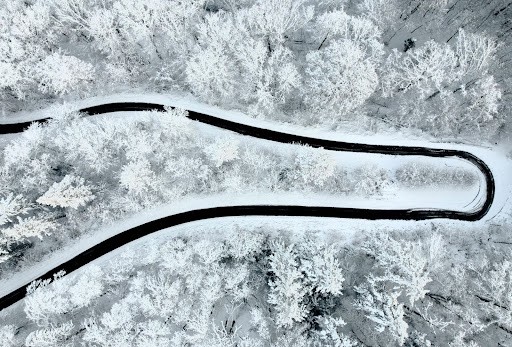
As winter takes hold and snow begins to fall, there are a handful of proactive steps you can take to properly winterize both your home and car. Following these steps can save you from costly repairs, uncomfortable emergencies, and hazardous situations. Remember that winter preparation isn't just about comfort, it's about safety and protecting your life’s biggest investments from the harsh conditions found during freezing temperatures, ice, and snow.
Ideas for winterizing your home
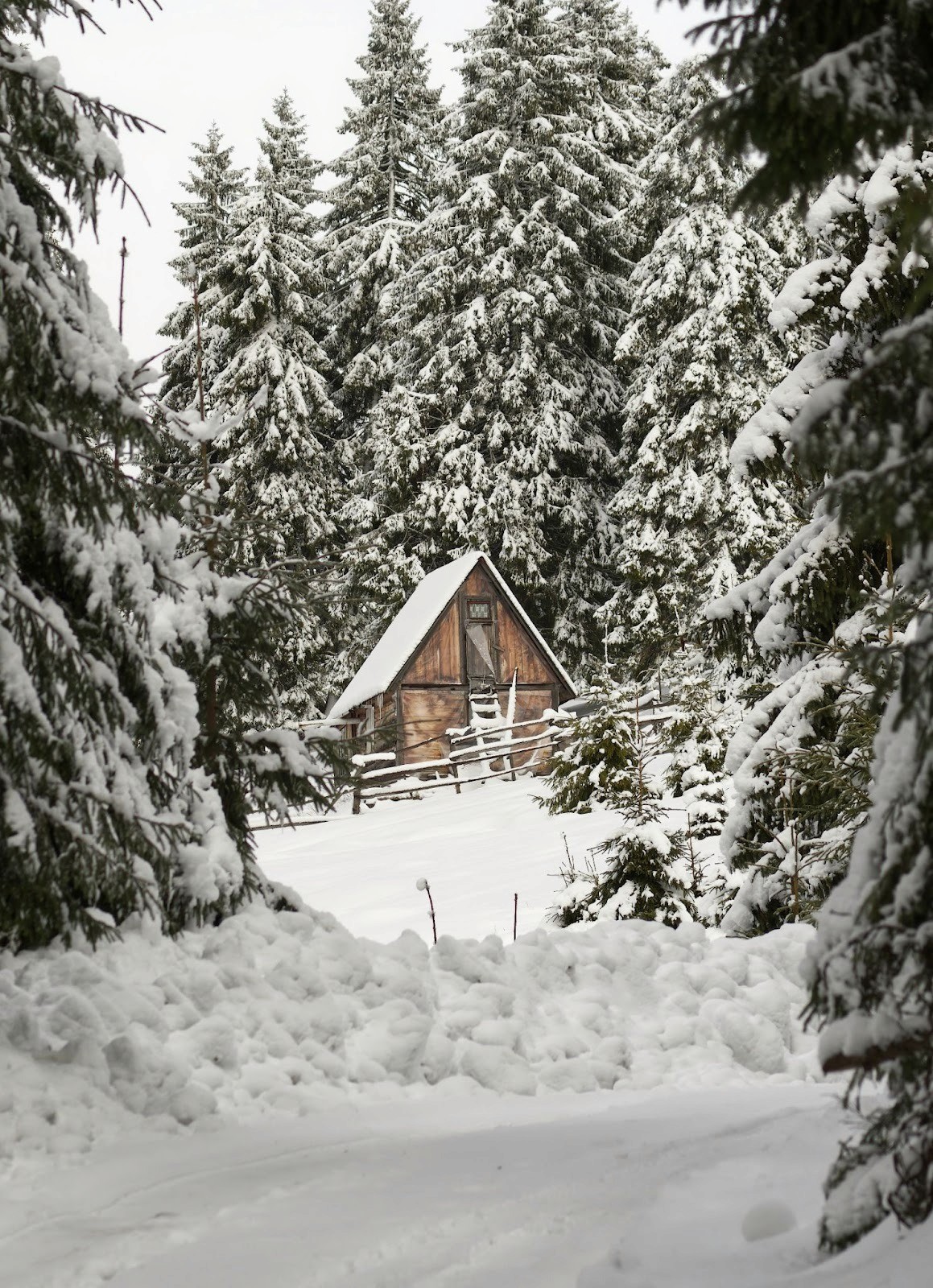
Photo by iuliu illes on Unsplash
Check your heating/HVAC system
Before the coldest months arrive, schedule a professional inspection of your furnace or heating system. A technician can clean components, replace filters, and identify potential problems before they leave you shivering during a cold snap. If you have a fireplace or wood stove, get your chimney cleaned and inspected to prevent any kinds of dangerous buildup that can cause fires.
Seal any leaks
Cold air infiltration can dramatically increase heating bills and create uncomfortable drafts all over your house. One way to test is by walking through your home with a lit incense stick, then placing it near windows, doors, and electrical outlets. Watch the path of smoke from the incense, which can quickly reveal the sources of air leaks.
Apply weatherstripping to any gaps you find around doors and windows, or use caulk to seal the gaps from the outside. Consider adding styrofoam covers to outside vents around your foundation to keep cold air out of your crawlspace or basement. And don't forget to check your attic’s access point, which is often a major source of heat loss that can be fixed easily with some additional insulation.
Protect your pipes
Frozen pipes can burst and cause thousands of dollars in water damage. Insulate any exposed pipes in unheated areas like basements, attics, crawl spaces, and garages using foam pipe insulation and tape.
Figure out where your main water shutoff valve is located in case of an emergency. On the most extreme cold nights (when it’s <0º-20ºF outside), you can set faucets to drip once every 3-5 seconds to keep water moving through the pipes, and open cabinet doors under sinks to allow warm air to circulate around plumbing to further prevent freezing.
Roof and gutters
Clear leaves and debris from gutters and downspouts to prevent ice dams, which is when melting snow refreezes at your roof's edge, pushing water under your roof’s shingles and into your home. Before snows arrive, be sure to inspect your roof for any damaged or missing shingles that could also allow water infiltration.
Outdoor Preparations
Disconnect and drain garden hoses, and shut off outdoor water valves from inside your home. Drain remaining water from outdoor faucets to prevent freezing and consider buying styrofoam insulated covers for all your outside water spigots. Trim off any tree branches that could break under heavy snow and fall on your home or power lines. Store or cover outdoor furniture and protect sensitive plants with burlap wraps or bring them indoors.
Winterizing your vehicles
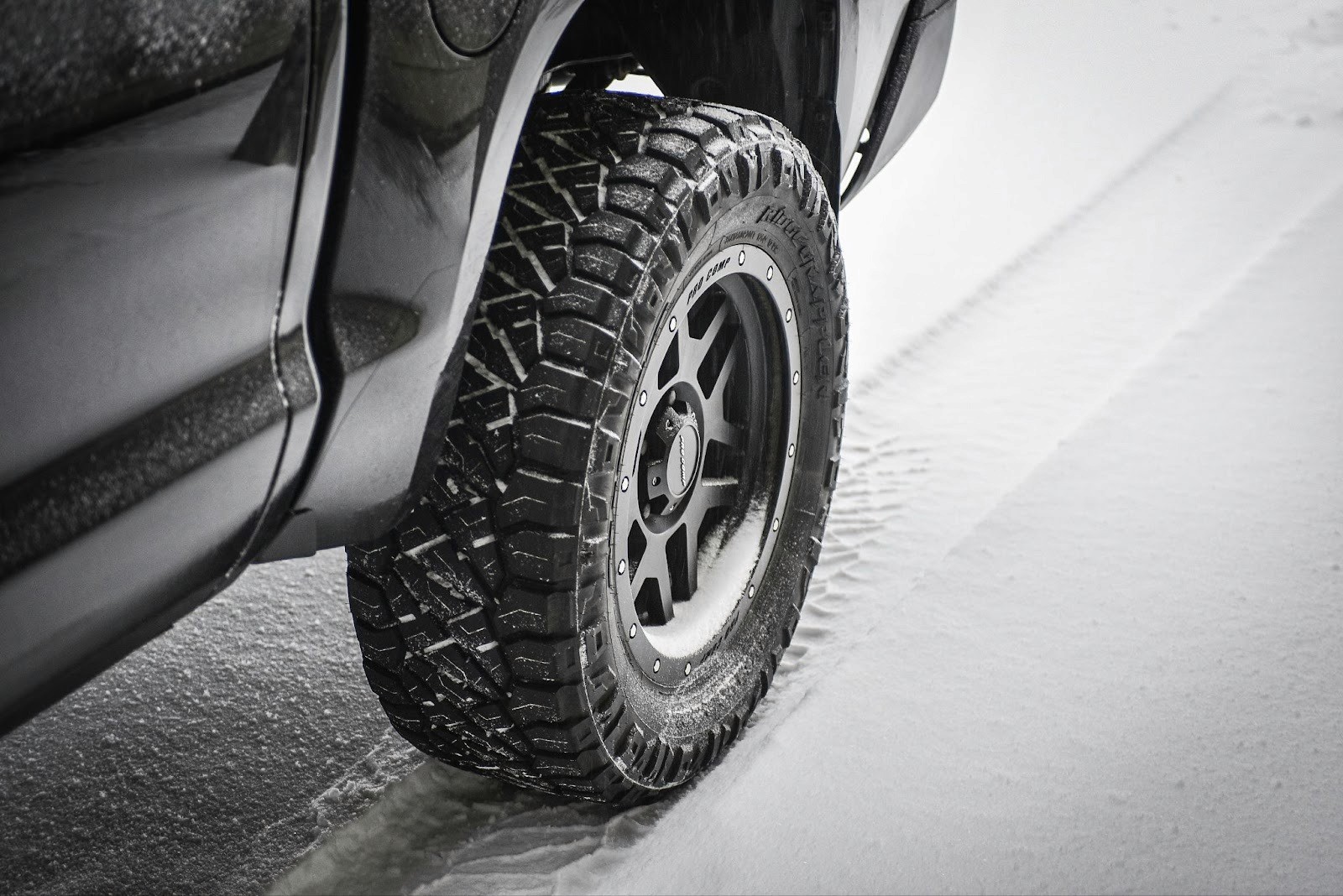
Photo by Daniel Foster on Unsplash
A good time for battery checks
Cold weather reduces battery capacity, and a battery that works fine in summer may fail when temps plunge. Have your battery tested at any auto parts store, as most offer this service free of charge. If your battery is more than three years old and showing weakness, replace it before winter arrives. Also clean off any corrosion on battery terminals, which can prevent proper charging.
Tires and traction
Before wintery weather begins, check your tire tread depths using the penny test. Insert a penny into the tread with Lincoln's head upside down as far as you can but if you can still see the top of his head, your tires are likely in need of replacement.
In areas with frequent or heavy snowfall, consider switching to dedicated winter tires. They remain flexible in cold temperatures and provide incredible, sure-footed traction even in fresh snow when compared to regular all-season tires.
Fluids and wipers
You may need to switch to winter-grade windshield washer fluid that won't freeze in sub-zero temperatures. Also check your antifreeze using an inexpensive tester, as it should protect to at least -30°F. Early in Winter, top off other fluids including oil, brakes, and power steering. Replace worn wiper blades and consider applying a water-repellent treatment like RainX to your windshield.
Build an emergency kit
It’s a good idea to keep a winter survival kit stored in your trunk. It should include things like:
Blankets or sleeping bags
A flashlight with extra batteries
A small first-aid kit
Non-perishable snacks and bottles of water
Jumper cables
A small shovel
An ice scraper
Snow chains, cables, or tire socks for your car
Flares or reflective triangles
A few warm clothes, gloves, and a hat
If you ever break down in a remote area during a storm, a kit like this could be lifesaving, or at the very least make your time on the side of the road safer and more comfortable.
Other kinds of preventive maintenance
Winter is a good time to have a mechanic inspect your car's heating and defrosting systems. Test your four-way flashers and all lights, as being visible is crucial during snowstorms, and replacing bulbs that have gone out is a cheap and easy fix. Check that your spare tire is properly inflated (they lose a couple PSI every few months) and make sure you have the tools and a jack to change a tire.
Conclusion

Photo by Kira auf der Heide on Unsplash
Properly preparing for winter each year does take investment of your time and money, but the alternative of dealing with frozen pipes, a dead battery in a parking lot, or inadequate heat during a blizzard can be far more costly and stressful. By working through these winterization ideas for both your home and vehicles, you'll protect your family, ensure your safety, and enjoy peace of mind throughout the cold months ahead.