Are you a disaster survivor looking for help? Click here

A note from Bright Harbor's President, former FEMA Administrator Pete Gaynor:
2025 felt like a year of two kinds of disasters unfolding at once. The natural ones were familiar: heat, storms, tornados, fire, and flood, arriving in overlapping waves and testing communities already stretched thin. Alongside them ran a second track of disruption, the political and institutional turbulence around FEMA’s, and our, future. As reform proposals gained momentum and leadership uncertainty played out in public, the ground shifted beneath the very system we rely on to coordinate response and recovery. Living through both at the same time made one thing clear to me: emergency management in 2025 was not just about managing hazards in the environment. It was also about navigating hazards in governance, and the intersection of those two is where our next era will be defined.
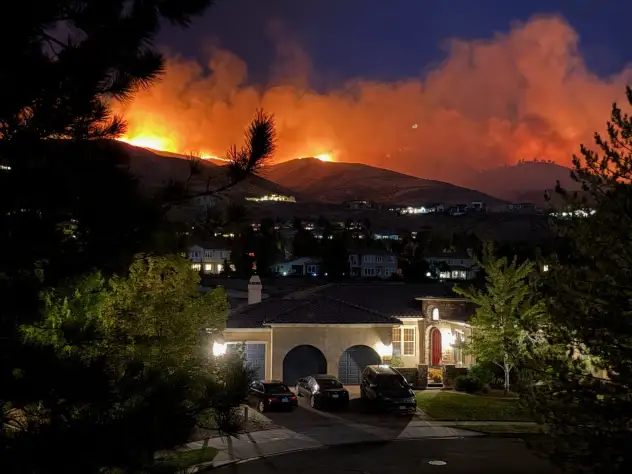
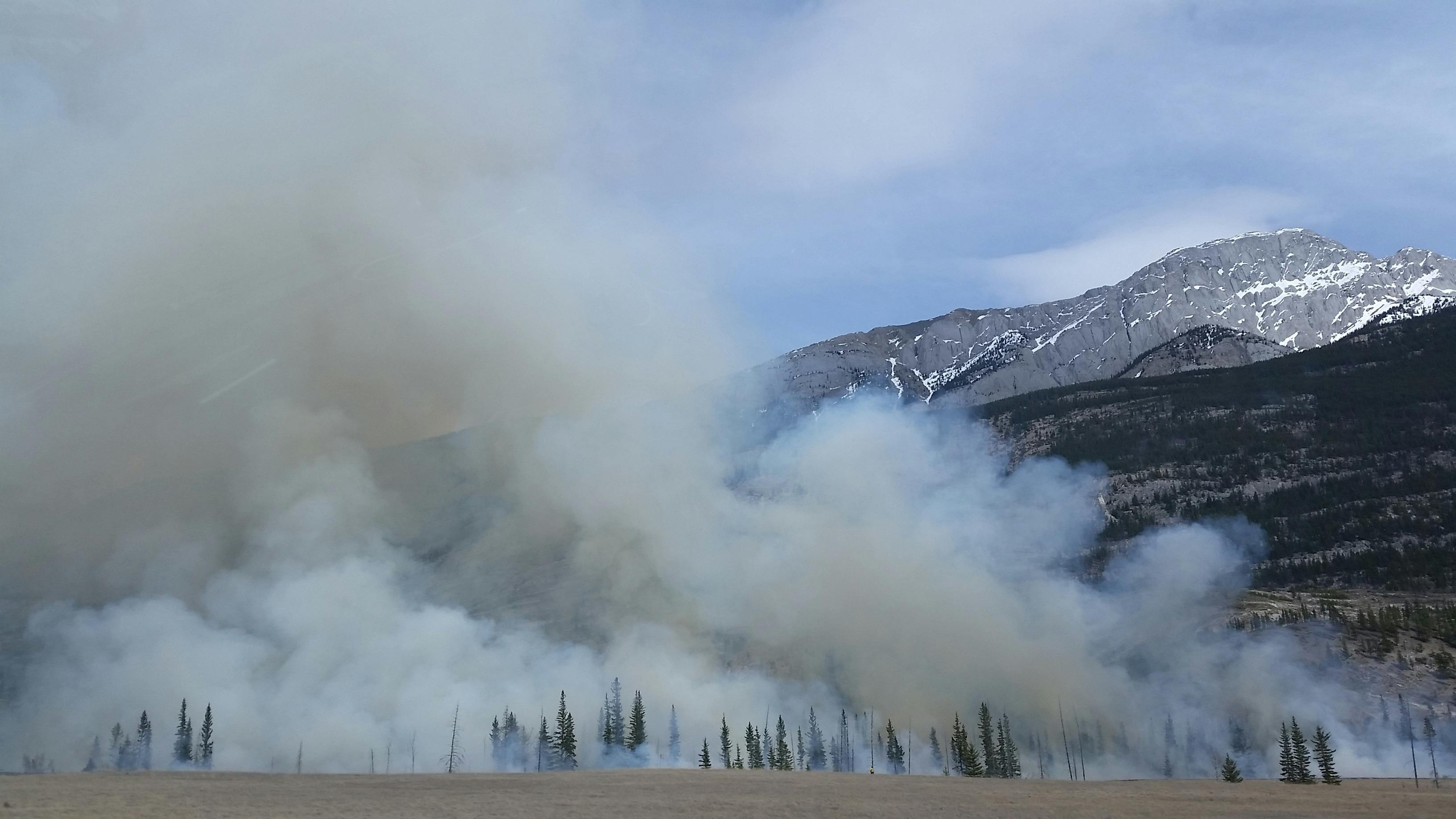
On the natural hazard side, what stood out was not one defining event. It was the way risks compounded and cascaded. Heat was not just a public health issue. It amplified drought, stressed power grids, and primed landscapes for wildfire. Wildfire was not the end of the story. It often became the beginning of another one through debris flows, contaminated water systems, and long-term displacement. Flooding and severe storms kept colliding with aging infrastructure and tight local budgets. We have always planned for multi-hazard environments, but 2025 reinforced that disasters are no longer linear. They jump lanes fast, from environment to housing, from housing to health, from health to economic stability. The incident is bigger than the footprint of the hazard, and the suffering is often in the second and third order effects.
One of the clearest examples of this broader footprint is the slow moving emergency around where, and whether, people can afford to live safely. When insurance withdraws, premiums spike, or rebuilding costs outpace incomes, recovery becomes harder before the disaster even occurs. In 2025, the boundary between a natural disaster and a financial one felt thinner than ever. We are watching risk migrate into housing markets and household balance sheets, and that changes our job. Recovery planning now has to account for long-term housing, community stability, and mental health, because those are the places where the disaster cycle keeps echoing.
At the same time, the political storm around FEMA added a different kind of complexity. The agency’s visibility was high, but so was uncertainty. Leadership turbulence, workforce strain, financial constraints, and public debate about FEMA’s role created real operational ripples. Then came a serious reform push in Congress, including the Fixing Emergency Management for Americans Act of 2025. Whether you see that bill as overdue modernization or a risky reshuffle, it signals something important. The nation is actively renegotiating how disaster responsibility and resources are shared.
For those of us working at the state and local level, that debate is not abstract. Federal clarity is a practical tool. When guidance, posture, and programs are stable, we can plan, train, and deliver with confidence. When they are in flux, we absorb the shock, sometimes by innovating, sometimes by scrambling. 2025 reminded me that intergovernmental emergency management runs on trust and predictability as much as it runs on dollars and equipment. Those relationships are the infrastructure under the infrastructure.
Technology was the other big storyline of the year, equal parts promise and friction. Our forecasting, modeling, and situational awareness capabilities are better than they have ever been. AI is moving from buzzword to real utility in planning, damage assessment, call center triage, and administrative surge. That is a good thing. We need tools that help us keep pace with compounding risk and shrinking recovery windows. But adopting what works is not automatic. The status quo will protect itself right up until it fails the people we serve. If we want technology to be a force multiplier instead of a missed opportunity, we have to be willing to change the habits, policies, and systems around it.
At the same time, 2025 also showed that technology introduces its own hazard space. Misinformation now behaves like a parallel incident: fast, persuasive, and sometimes AI generated. False alerts, doctored images, and viral conspiracy narratives can spread farther than official corrections, especially during the first hours of a crisis when trust is most fragile. Social media saves lives, and it also now routinely drains credibility. The modern emergency management toolkit has to include not just better data, but better defenses for the public’s shared reality.
So what did 2025 teach me?
-First, we are managing conditions, not just events. Readiness has to be continuous because risk is continuous.
-Second, mitigation is the only scalable path forward. In a world of compounding hazards, we cannot respond our way to safety.
-Third, trust is infrastructure. You cannot surge it during a disaster. You build it every day, with partners, with the public, and across levels of government.
What does 2026 demand? Speed, steadiness, and innovation with purpose. We need to accelerate mitigation and resilience, simplify access to recovery, and protect a workforce carrying sustained operational load. At the same time, we have to modernize how we do the work, using smarter tools, better data, and new partnerships to move faster without losing trust. And we need to keep the FEMA reform conversation anchored in field realities: fewer surprises, clearer roles, and a system that helps communities recover not just quickly, but stronger than before.
Mostly, though, I am leaving 2025 grateful: for the professionals who kept showing up through fatigue; for partners who made room at the table; for communities that endured, adapted, and taught us what resilience looks like in real life; and especially for the disaster survivors who grind it out every day with the goal of finding their way home. The risks are rising. The governance landscape is shifting. But we’re not guessing about what to do next, we know. Now we have to do it together, and faster. This work is indispensable.